


West Sussex
We're investing over £276 million in West Sussex to strengthen water supplies, protect the coastline, and support local communities now and in the future.

Help and resources
Useful Commercial links
Useful Region Links


Useful Commercial links



We understand that bill increases can be challenging. We're here to help explain your water changes, where your money will be spent and how we can support you.

We’ve started delivering our largest ever investment programme. Between 2025 and 2030 we’ve committed around £8.5 billion to make significant improvements. A lot of the funding we need comes from our shareholders, who have invested over £2.3 billion since 2021, with no payments to external shareholders since 2017. However, to fully deliver on our commitments we need to increase some bills. Hear from our people, who are customers too, on what you can expect and where the money will be invested.
We’re committed to delivering value for money and remain open about why a price rise is needed. There are several factors contributing to this, as follows:
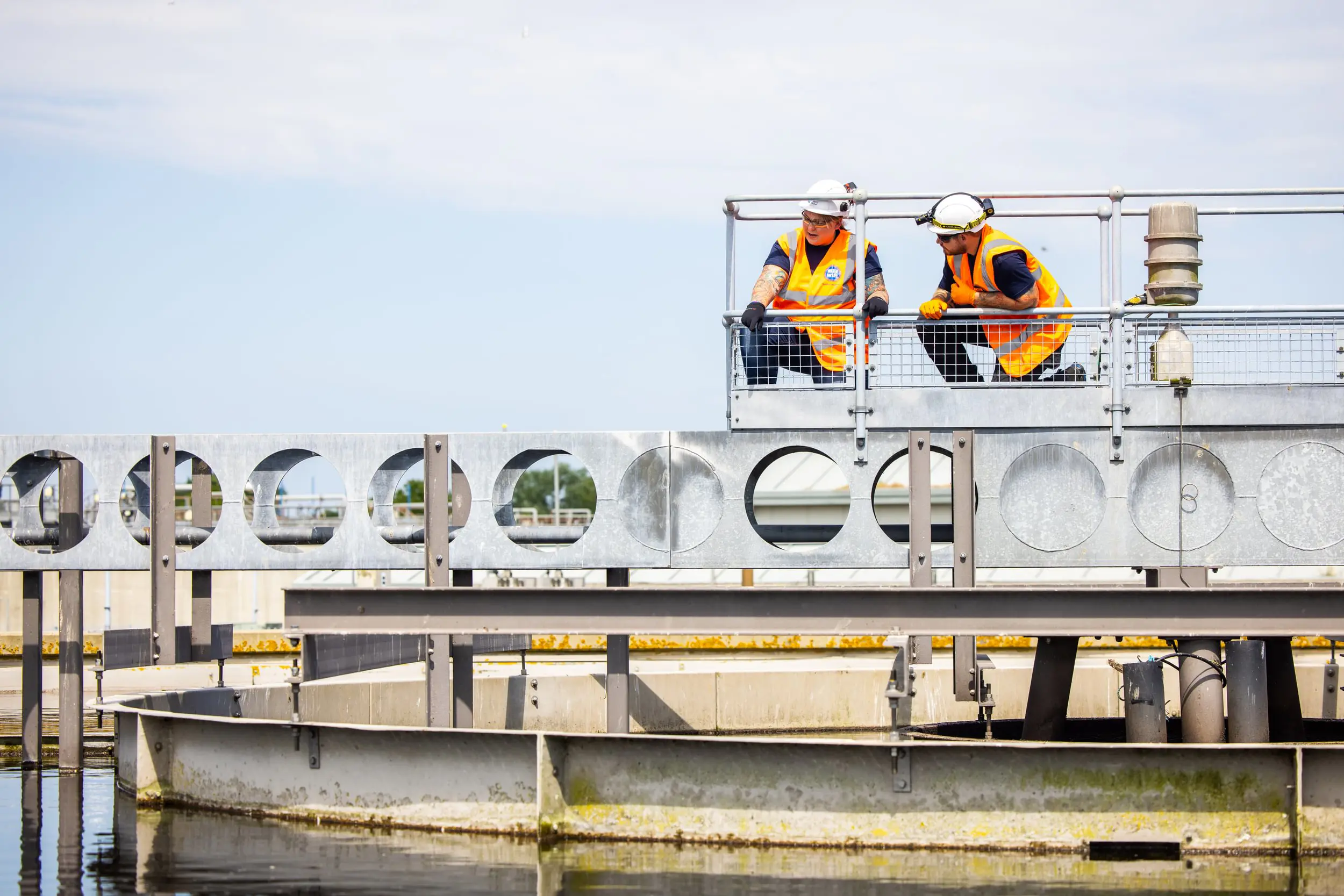
We’re carrying out our biggest ever investment programme, replacing pipes and improving treatment works to cut leaks, minimise flooding, prevent pollution, reduce storm overflow releases, and make sure your water supply is resilient for the future. Our Business Plan sets out how we’re taking immediate and long-term action to improve performance and protect the environment.
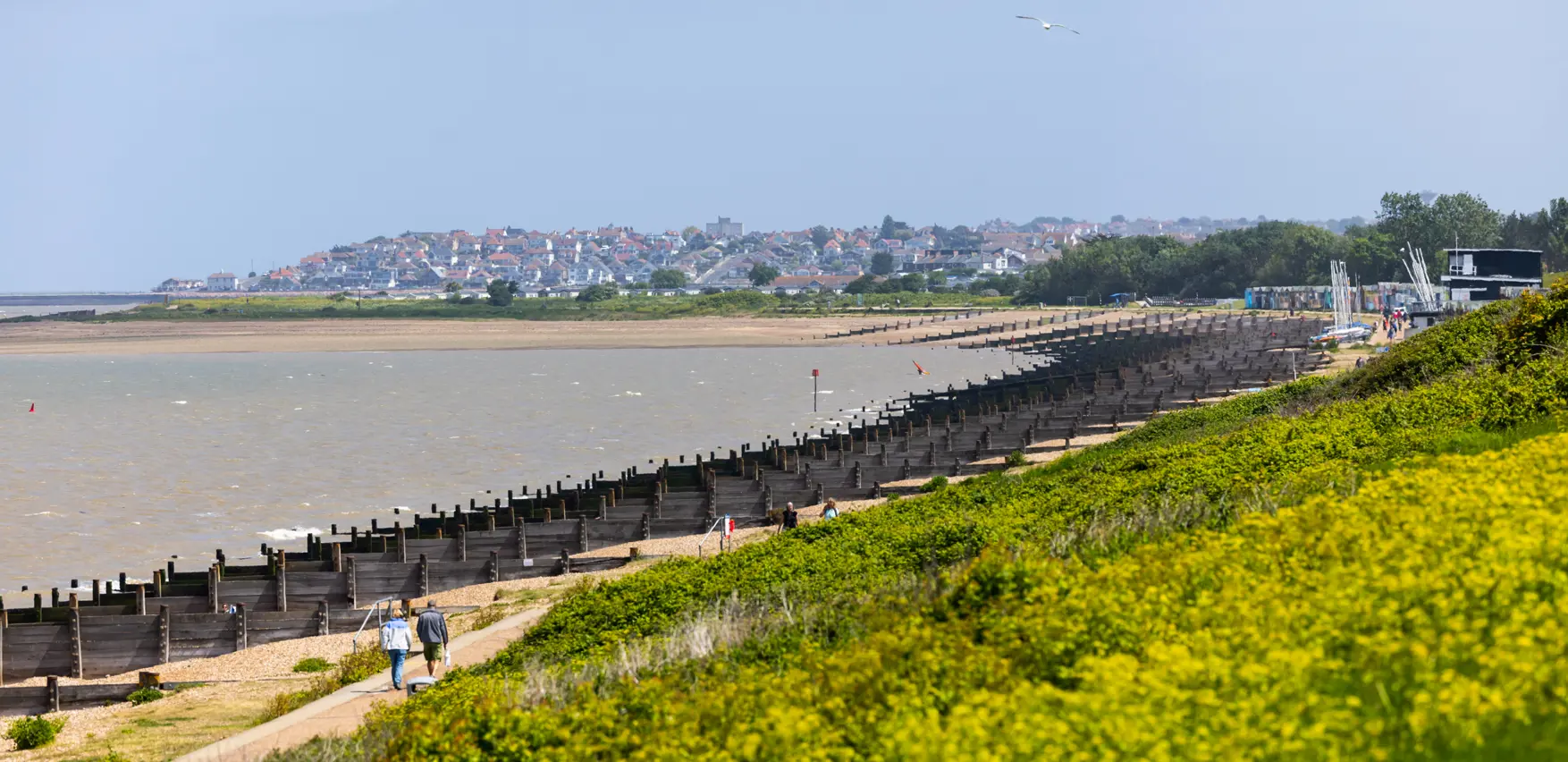
We’re seeing growing pressure on water sources as more people and businesses rely on them. Our regulator limits how much water we can take from the environment to protect it, so we need to develop new sources of water. This includes investing in recycling wastewater, transferring water from other sources, and desalination.

Climate change is bringing heavier rainfall, which can overwhelm our network and lead to more flooding and storm overflow releases. We’re already adapting our systems, but it will take time. Our Clean Rivers and Seas Plan is delivering major improvements and explains our future investments in your area.

More people means more built-up spaces and less water is soaked up by the land. This causes more flooding and storm overflow releases. We need invest in new ways to capture excess water, soak it up, and store it.

Like many businesses, we’re facing higher costs for energy, chemicals we need to treat water, and the materials that are used to treat and supply water.
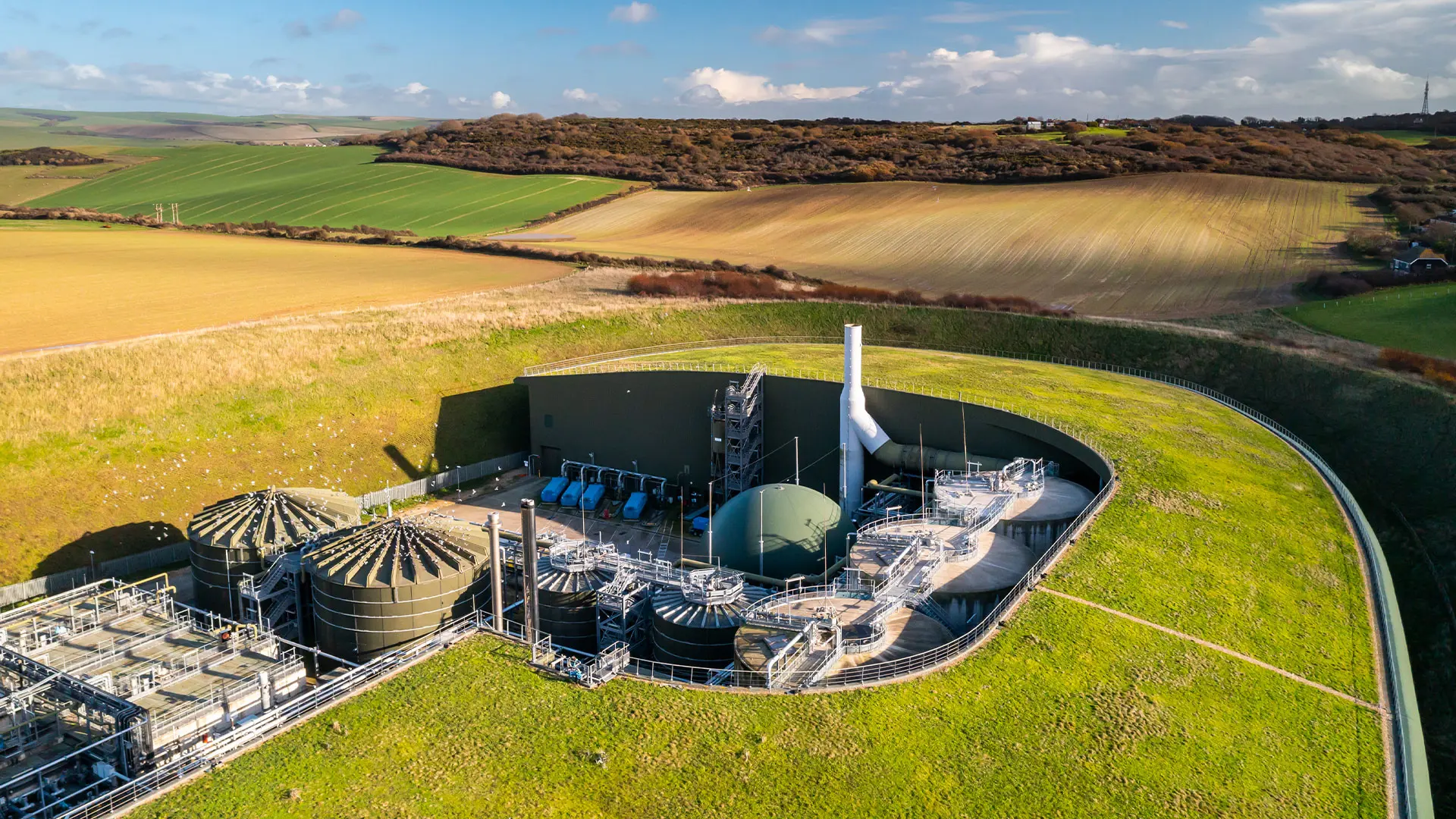
New regulations mean we’re adding extra treatment processes. This is essential to keep local water sources clean and ensure we continue to deliver high-quality water for everyone.
Select a £ sign on the map below to see how we’re investing in your local area.
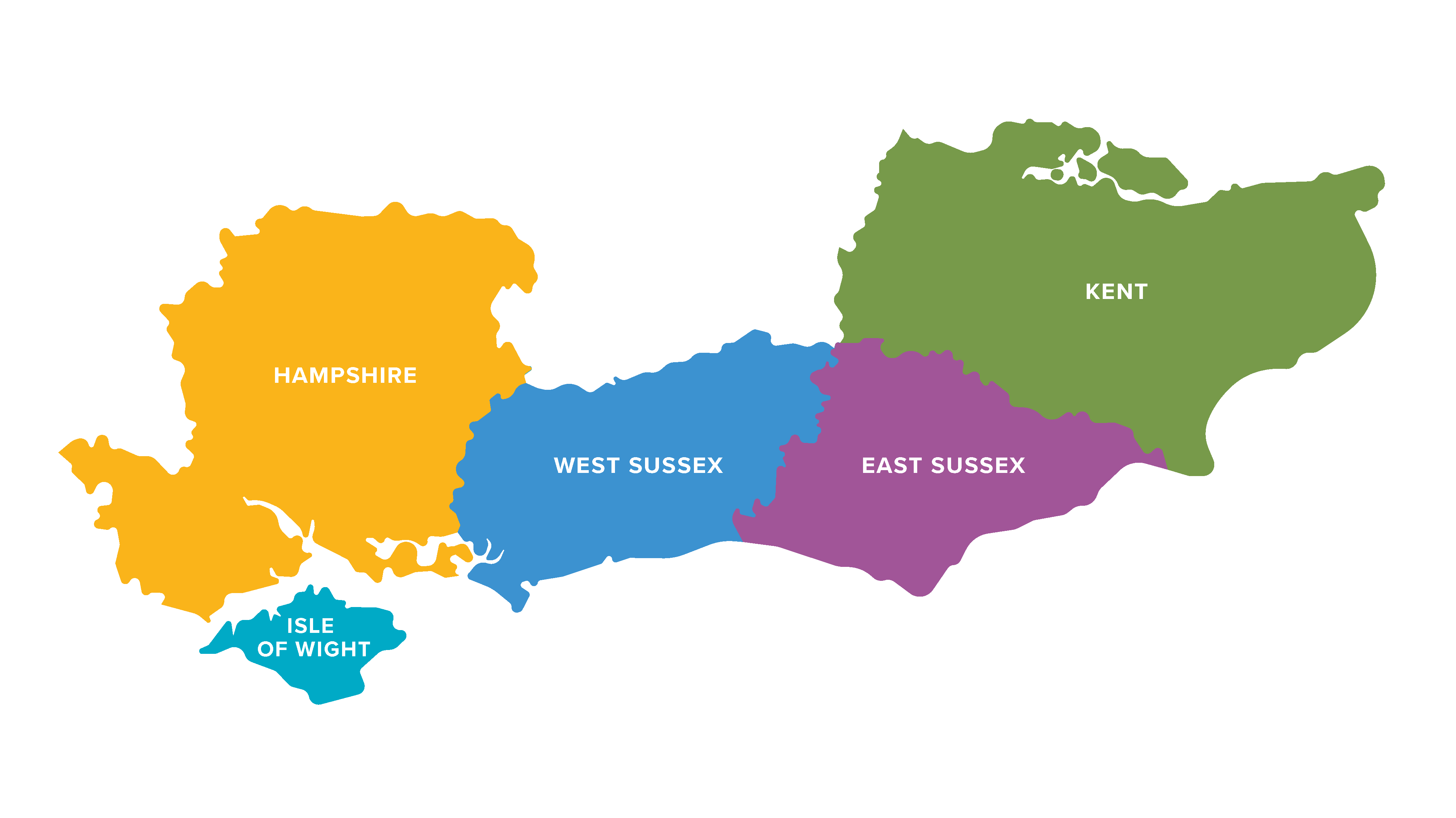

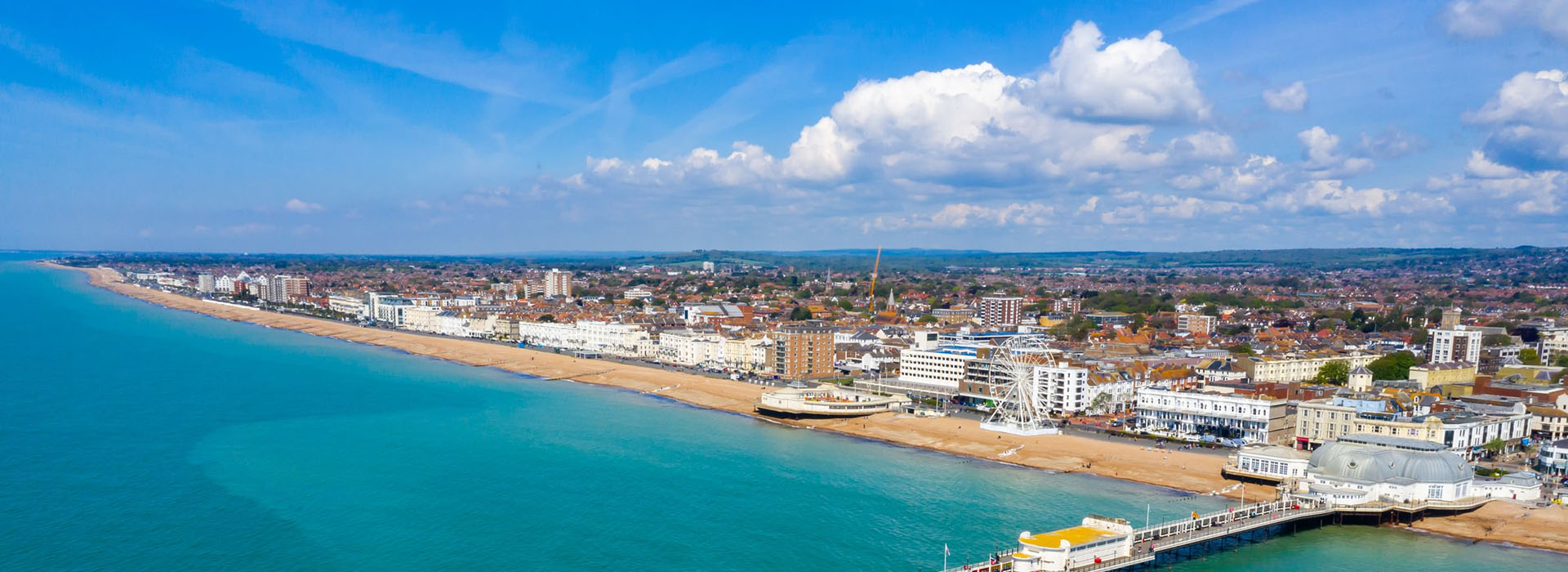
We're investing over £276 million in West Sussex to strengthen water supplies, protect the coastline, and support local communities now and in the future.
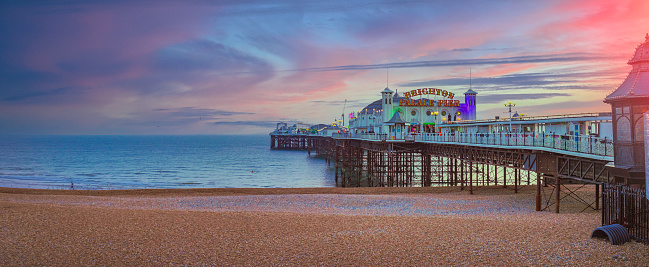
We’re investing over £476.1 million in East Sussex to improve bathing water quality, protect the coastline, and build a stronger, more resilient water supply network for generations to come.
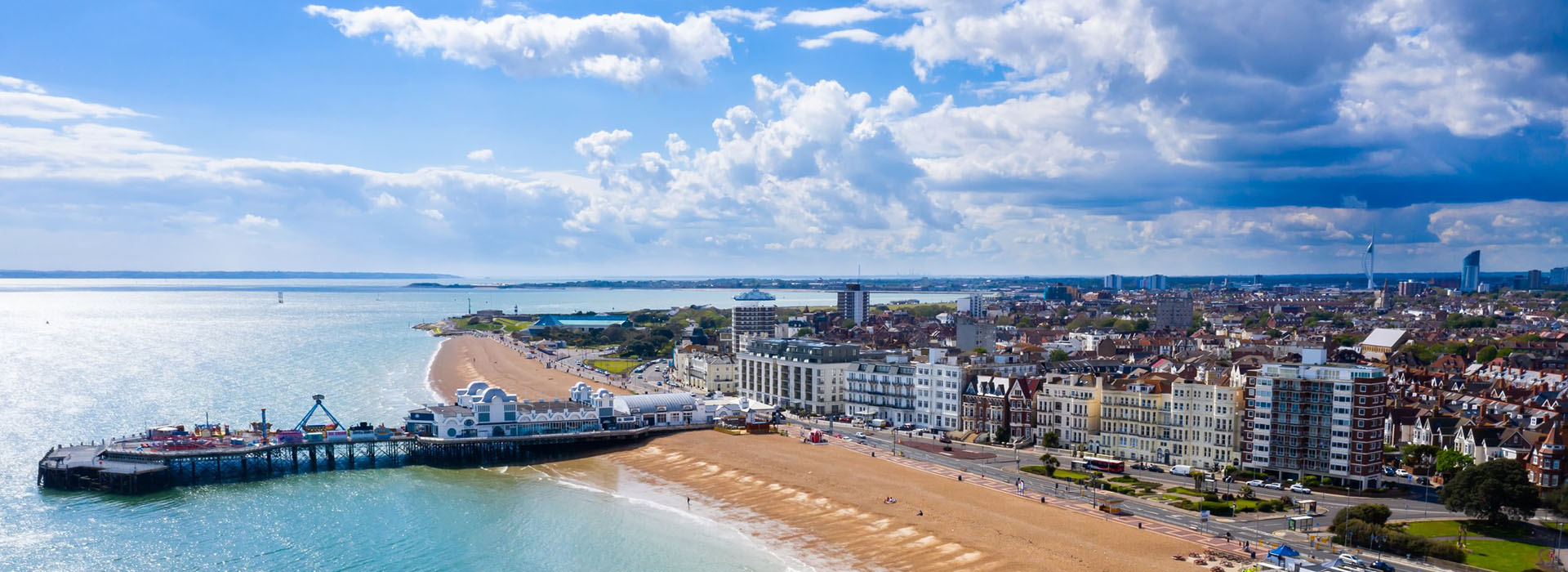
Our £858 million investment in Hampshire will protect and secure water supplies, including precious chalk streams, and improve water quality from source to sea.
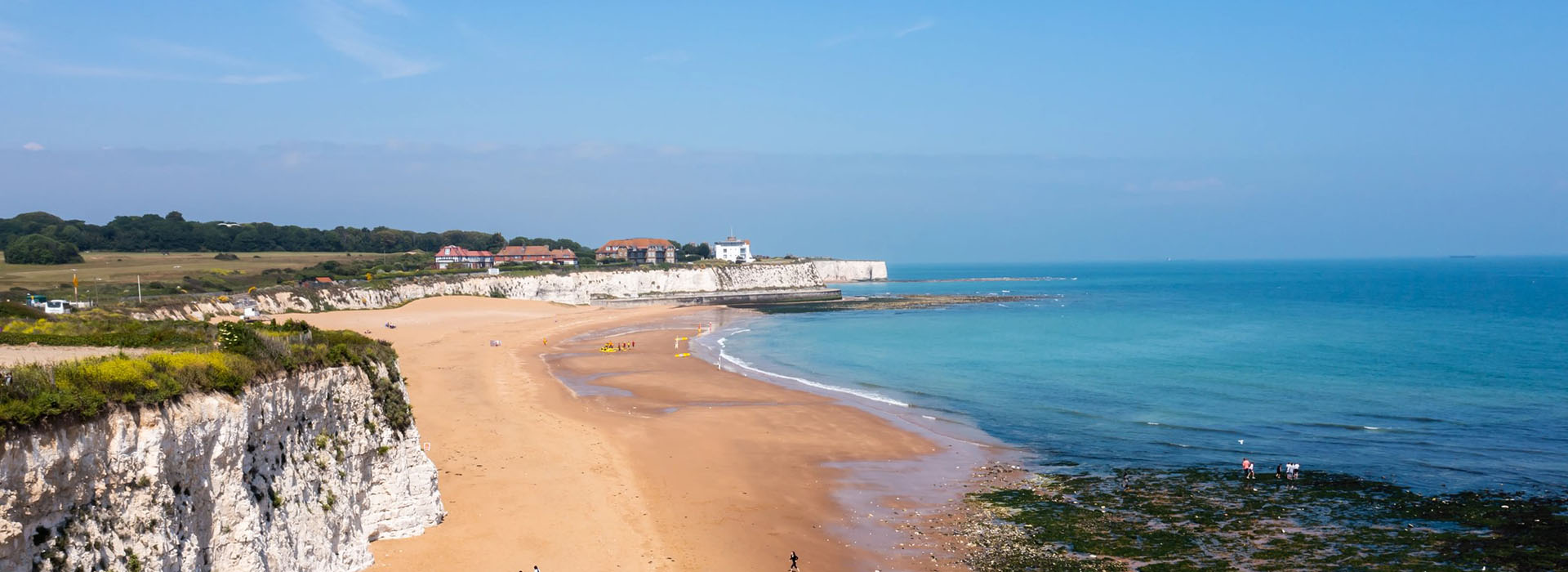
We’re investing £1.2 billion in Kent to cut pollution, protect the local environment, and keep taps flowing — making sure the region is ready for future population growth.
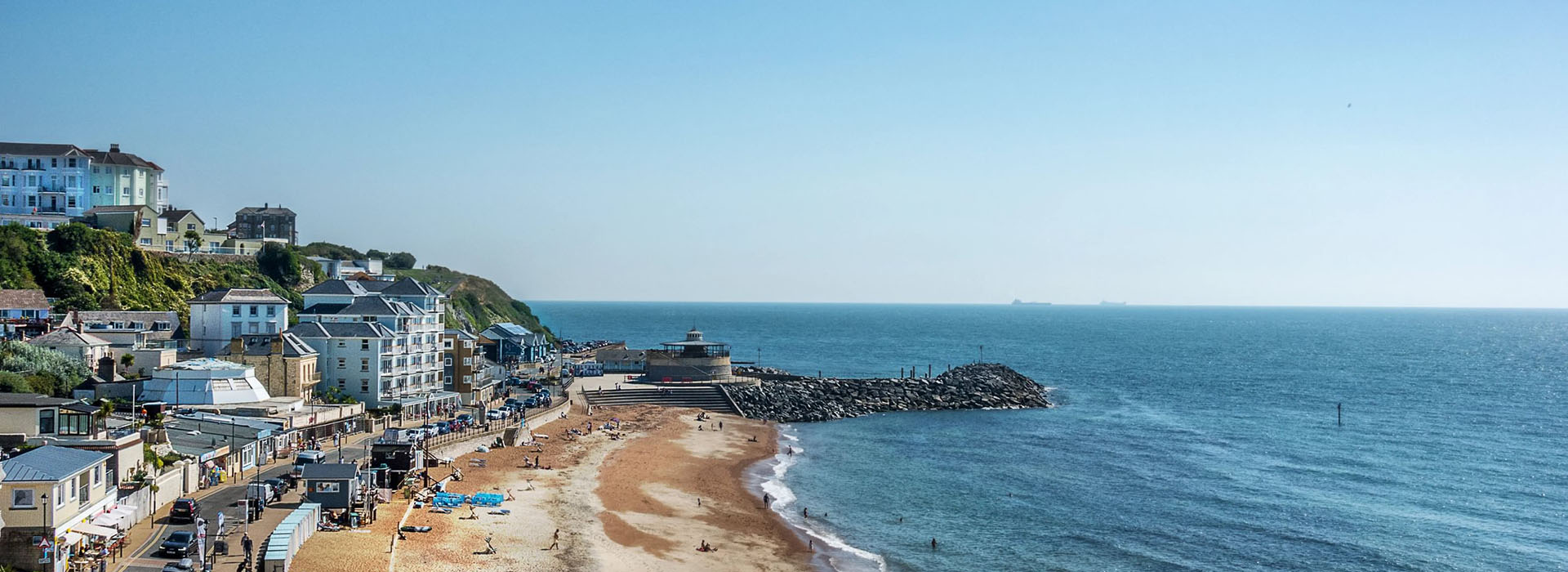
We’re investing over £99 million on the Isle of Wight to improve bathing water quality, prevent flooding and develop new water sources, reducing reliance on the mainland.
We're investing over £276 million in West Sussex to strengthen water supplies, protect the coastline, and support local communities now and in the future.
We’re investing over £476.1 million in East Sussex to improve bathing water quality, protect the coastline, and build a stronger, more resilient water supply network for generations to come.
Our £858 million investment in Hampshire will protect and secure water supplies, including precious chalk streams, and improve water quality from source to sea.
We’re investing £1.2 billion in Kent to cut pollution, protect the local environment, and keep taps flowing — making sure the region is ready for future population growth.
We’re investing over £99 million on the Isle of Wight to improve bathing water quality, prevent flooding and develop new water sources, reducing reliance on the mainland.
Alongside investment from our shareholders, customer bills play a vital role in building a more reliable and resilient water and wastewater service. We’re committed to being open and transparent about how your money is used.
Every pound you pay helps keep water flowing, safely removes wastewater, and protects the environment. It funds the day‑to‑day operation of our network - from maintaining pipes and treatment works to reducing leaks, preventing flooding, and cutting storm overflow releases. Your bill also supports long‑term investment to secure sustainable water supplies for the future, improve the health of local rivers and seas, and provide extra help for customers who need it most.

If you’re one of our water and wastewater customers, this means you’ll receive just one bill for your water services. Your bill covers both getting high-quality drinking water to your taps and taking away the wastewater for treatment. If you’re unsure on who provides your water and wastewater services, you can find out here.
To make sure we can deliver on the improvements our customers need most, bills need to increase.
The increase helps with a range of projects which will:
Find out how we’re investing in your area.
We understand any increase to household bills can be difficult. Unlike, gas and electric, water bills are simpler and do not have a variety of tariffs. However, we do offer financial support for those who need it. Find out what help we can offer.
How much your water bill is by depends on several different factors, including the service we provide for you, how much water you use and whether you have a water meter. Due to all these factors, it’s impossible to share one single figure.
However, based on water charges from April 2026, we estimate the typical household bill for water and wastewater customers will increase on average by 8%.
If you would like to review your account, check your payment history, and see your usage please log into your account or register.
Our charges are reviewed and approved by our regulator, Ofwat, each year. They’re also reviewed by the Competitions & Markets Authority (CMA). Find out more on the CMA and what this means here.
If you have a water meter, your direct debit is based on two things:
We add these together and divide the total by the number of months until your next bill, so you can spread the cost evenly.
When the cost of water changes, we recalculate some direct debit plans in advance. This helps reduce the size of the monthly increase. For example, if your bill is issued between July and October, we start adjusting payments from March so the change is smaller and easier to manage.
If you don’t have a meter, your annual bill is spread across 12 monthly payments from April. If your payment plan starts partway through the year, we divide the remaining balance by the months left before your next annual bill.
If you cancel your direct debit, you’ll need to pay the full bill when it’s issued. If payment isn’t made or a plan isn’t set up, your account will go into debt. This could involve additional fees if your account is sent to a collection agency and may affect your credit rating. Find out more about support with debt.
If you’re struggling to pay your water bill, we offer a variety of support schemes:
Find out more about each scheme, if you’re eligible and how to apply.
Your bill is based on several different things:
Everyone’s bill is different as everyone uses water differently. If your bill is higher than you expect, this may mean you’re using more water than before. Get help to understand your bill.
If you’re on a meter, using less water in your house or garden may help you to reduce your bill. Making small changes to your daily routine, such as turning the tap off when you brush your teeth, having a shorter shower, or only running the washing machine when you have a full load can make a big difference. Around 20% of the water used in the home is heated, so saving water could also help reduce your energy bill. View our simple simple water-saving tips.
Getting a water meter fitted can help you understand how much water you’re using and potentially save you money on your bill. You can see if you’re eligible to have a meter fitted by applying for a water meter – it should only take a few minutes, and you can expect a reply within 48 hours.
If your drinking water is supplied by a different water company, you will need to contact them directly about getting a meter fitted. If you’re unsure who your supplier is visit www.water.org.uk and enter your postcode.
We recognise that previously we didn’t go far enough to communicate the price increase. We’ve listened to feedback from our customers and since January we’ve been sharing information via our website, social media channels, on the radio, in local papers, customer emails and within the bill itself.
To make sure we can deliver on the improvements our customers need most, bills need to increase.
The increase helps with a range of projects which will:
Find out how we’re investing in your area.
We understand any increase to household bills can be difficult. Unlike, gas and electric, water bills are simpler and do not have a variety of tariffs. However, we do offer financial support for those who need it. Find out what help we can offer.
This depends on the companies who provide the services.
Many of our customers who get water supply only or wastewater-only services from us will get two bills – one for each service from each company. However, in some areas you’ll get one bill for both services, even though different companies provide those services. If you’re unsure which company provides your water and wastewater services, you can find out here.
How much your water bill is by depends on several different factors, including the service we provide for you, how much water you use and whether you have a water meter. Due to all these factors, it’s impossible to share one single figure.
However, based on water charges from April 2026, we estimate the typical household bill for water only customers will increase on average by 25%. For wastewater-only customers, charges will fall by an average of 4%.
If you would like to review your account, check your payment history, and see your usage please log into your account or register.
Our charges are reviewed and approved by our regulator, Ofwat, each year. They’re also reviewed by the Competitions & Markets Authority (CMA). Find out more about the Competitions & Markets Authority and how this impacts bill.
If you have a water meter, your direct debit is based on two things:
We add these together and divide the total by the number of months until your next bill, so you can spread the cost evenly.
When the cost of water changes, we recalculate some direct debit plans in advance. This helps reduce the size of the monthly increase. For example, if your bill is issued between July and October, we start adjusting payments from March so the change is smaller and easier to manage.
If you don’t have a meter, your annual bill is spread across 12 monthly payments from April. If your payment plan starts partway through the year, we divide the remaining balance by the months left before your next annual bill.
If you cancel your direct debit, you’ll need to pay the full bill when it’s issued. If payment isn’t made or a plan isn’t set up, your account will go into debt. This could involve additional fees if your account is sent to a collection agency and may affect your credit rating. Find out more about support with debt.
If you’re struggling to pay your water bill, we offer a variety of support schemes:
Find out more about each scheme, if you’re eligible and how to apply.
Your bill is based on several different things:
Everyone’s bill is different as everyone uses water differently. If your bill is higher than you expect, this may mean you’re using more water than before. Get help to understand your bill.
If you’re on a meter, using less water in your house or garden may help you to reduce your bill. Making small changes to your daily routine, such as turning the tap off when you brush your teeth, having a shorter shower, or only running the washing machine when you have a full load can make a big difference. Around 20% of the water used in the home is heated, so saving water could also help reduce your energy bill. View our simple simple water-saving tips.
Getting a water meter fitted can help you understand how much water you’re using and potentially save you money on your bill. You can see if you’re eligible to have a meter fitted by applying for a water meter – it should only take a few minutes, and you can expect a reply within 48 hours.
If your drinking water is supplied by a different water company, you will need to contact them directly about getting a meter fitted. If you’re unsure who your supplier is visit www.water.org.uk and enter your postcode.
We recognise that previously we didn’t go far enough to communicate the price increase. We’ve listened to feedback from our customers and since January we’ve been sharing information via our website, social media channels, on the radio, in local papers, customer emails and within the bill itself.
To help deliver the huge investment needed to tackle issues such as flooding, storm over flow releases, leakage, protecting the environment and improving our service, water and wastewater charges have increased. This is to keep our rivers healthy, improve the quality of our bathing water and provide the service you deserve.
A lot of this funding will come from our shareholders, who have invested over £1.6 billion since 2021 (with no external dividends paid since 2017). However, to fully deliver the improvements you’ve asked for, we need to increase the price of water and wastewater. For more information on how your bill is calculated, please contact your retailer.
We understand that a rise in bills in never welcome, particularly in the current climate. If you would like to discuss financial support, please speak to your water retailer.
The Competition and Markets Authority (CMA) has provisionally agreed that we need more funding to deliver the improvements and new infrastructure our customers rightly expect. The impact of that outcome on customer bills will be effective from 1 April 2027, depending on the CMA’s final decision. Find out more about our CMA appeal and what this means for you.
Getting a water meter fitted can help you understand how much water you’re using and potentially save you money on your bill. With a water meter, you'll be able to take regular readings to understand how much water your business is using. If you notice an increase, you should check for leaks. If your business doesn’t already have a water meter, and you think it could benefit from one, please speak to your retailer.
Yes, we offer lots of advice on how to save water in your business. We also offer free water-saving Audits to not-for-profit and small to medium sized businesses.
Water leaks in business premises can be costly, which is why understanding how to check for water leaks is important to help prevent property damage and unexpected expenses. While some leaks show obvious signs like damp patches or water pooling, others you may need to go looking for them. Find out how to spot leaks.
Please contact your retailer for help with the following:
Did you find the information you are looking for?