


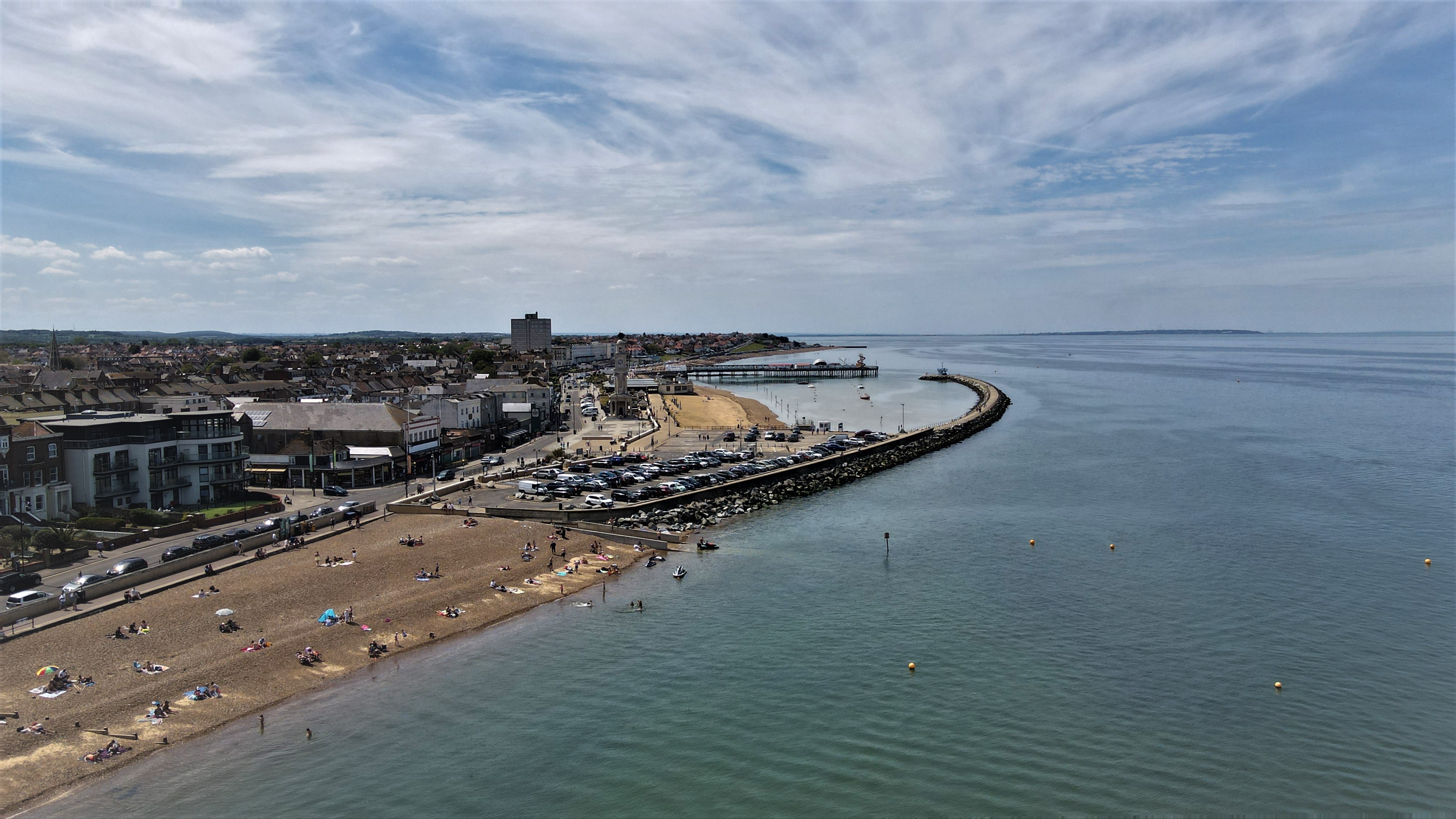
Sewer Sleuths Nail Herne Bay Misconnections
Southern Water’s freshly expanded Misconnections Team got to work quickly in Herne Bay, Kent tracking down eight properties with illegal connections in their first six months on the job.
Southern Water’s freshly expanded Misconnections Team got to work quickly in Herne Bay, Kent tracking down eight properties with illegal connections in their first six months on the job.
Illegal connections are when a household waste from property is connected into surface water drains in error instead of sewers. A misconnected toilet can pour 20,000 litres of sewage a year into the nearest water course – or even straight on to the beach.
Last spring, the Southern Water sewer Sherlocks team was doubled from six to twelve technicians, with 4 dedicated to investigating the coastal areas of Kent .
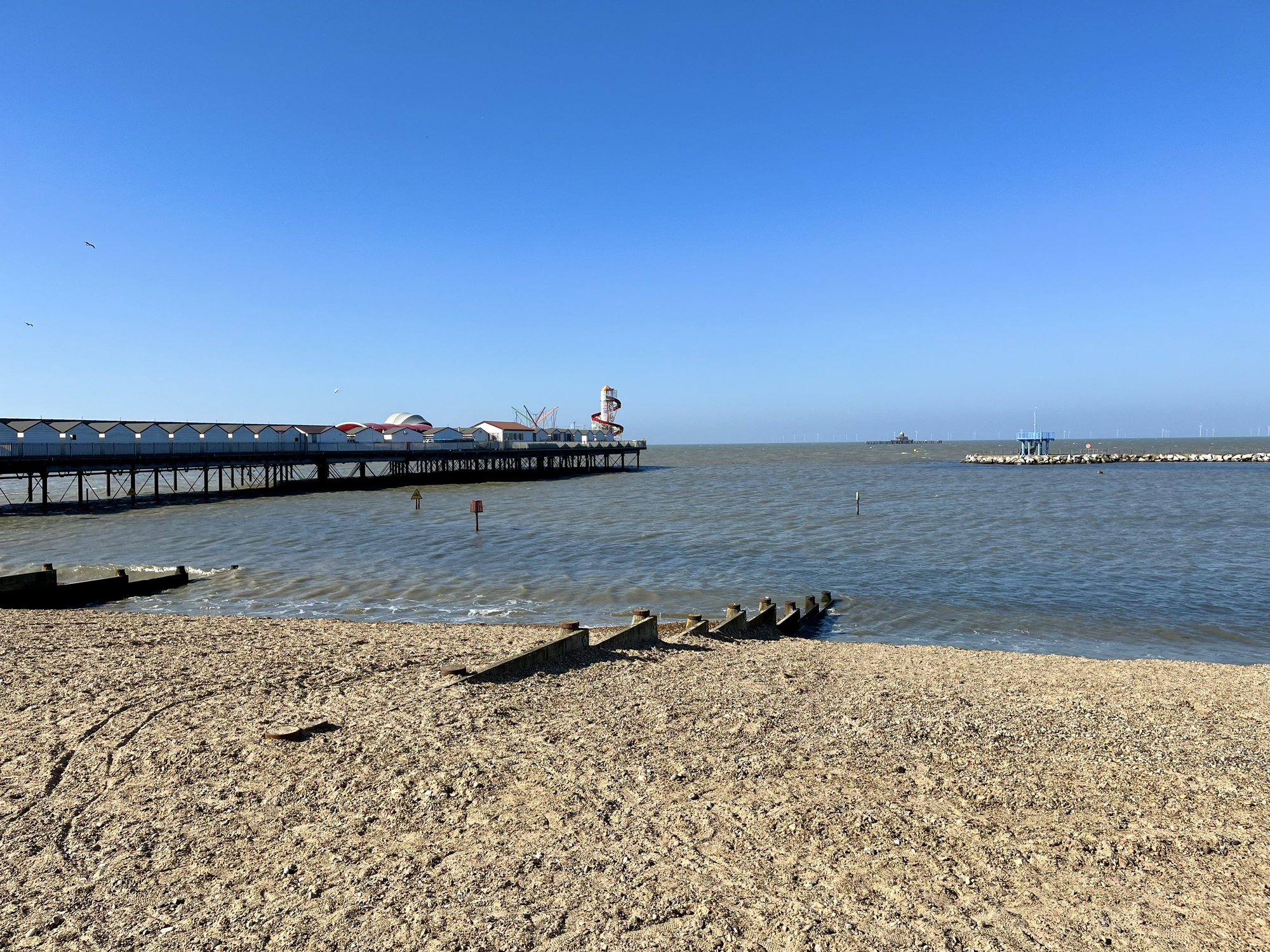
Between March and September the squad found eight properties across Herne Bay before moving on to tackle potential problems in Folkestone.
When misconnections are found, property owners are asked to make the simple fix to attach pipes to the sewer so water from dish or clothes washers, showers or toilets goes to the sewer for proper treatment.
Householders are normally unaware of the problem and spring into
action to fix the problem but councils can take enforcement action.
Herne Bay’s bathing water is designated as ‘excellent’ by the Environment Agency while Herne Bay Central is rated ‘good’
Rob Butson, Southern Water’s open water lead said: “Lots of things can contribute to bathing water quality – our assets and storm water releases can have an impact. But misconnections and run off from roads are also very important.”
“We’re ensuring our assets are in top condition and investing £1.5 billion up to 2030 to cut storm overflows but that alone won’t protect and improve the picture. The Misconnections team have tracked down more than 300 wrongly connected properties and made a real difference.”
Says Rob: “We’ve also got to ensure all our assets are in good order too – this spring we’re checking key pumping stations and treatment works so we can proactively maintain them – not wait until something breaks.”