Urban
Waste from industrial processes can affect river and groundwater quality. Surface water run-off from roads and drains can also be very dirty and require more treatment.


Help and resources
Useful Commercial links
Useful Region Links


Useful Commercial links


Catchment First is our commitment to put the wellbeing of the environment and our communities at the heart of what we do. We work with partners to protect the natural processes that keep our landscapes healthy. This helps us provide clean, fresh drinking water to homes and businesses.

Our Catchment Team plays a vital role in protecting the health of our rivers and seas. The team includes hydrologists, scientists, environmentalists and land management specialists. They look after the land around our waters — known as catchments. Caring for these areas helps improve water quality and supports the places that supply our drinking water.
The team regularly test water quality, helping us spot changes early and prevent issues before they become problems. They also check for pollutants like nitrates, phosphates and pesticides, which can cause algal blooms and harm aquatic life.
We’re also investing in new technology to better understand what affects our water and river flows. This work helps reduce flood risks, boost biodiversity and support sustainable land use. It also helps us build a more resilient water supply for the future.
Through our Water Industry National Environment Programme, we’re improving the ecological resilience of the River Anton, a key tributary of the River Test.
Since the 1800’s, College Weir has restricted fish movement and slowed flows upstream. So, we’re creating a new bypass channel around the old weir, restoring the river through Andover and benefiting fish, otters, water voles and native chalk species, while also reducing flood risk around Charlton Road and Andover College. Some short term water discolouration is expected during construction, but we’re using sediment controls and carrying out routine monitoring to protect aquatic life.
This project forms part of our River Anton Chalk Flagship Strategy, with further enhancements planned along Western Avenue this spring and summer in partnership with Test Valley Borough Council, improving 1.2km of the River Anton.

Miles of chalk stream habitat in and around the Test in Hampshire has been improved in one of the UK’s most substantial river restoration schemes.
Wessex Rivers Trust is halfway through delivering the 10-year FReSH (Flow Resilient Sustainable Habitat) Water Programme, to restore vulnerable stretches of Hampshire’s globally-rare chalk streams to boost resilience to drought, climate change and poor water quality.
Funded by us and delivered with local landowners, the project has already restored more than 20 sites across the Test, Dever, Dun, Bourne Rivulet and Meon.
Together with the South East Rivers Trust we created 18 hectares of new wetland habitat in the headwaters of the River Beult. Featuring ponds, scrapes, and leaky woody dams, the wetlands help slow water flow and improve resilience – storing an estimated 250 million litres annually, enough to supply 4,500 customers.
This nature-based solution supports multiple goals: protecting water resources, improving water quality and boosting biodiversity. It’s a brilliant example of how working with nature can deliver long-term benefits for people and the environment.

Working with farmers, land managers and environmental groups, we’ve launched a series of projects in areas where we can make a real difference to protect soil health, improve water quality and create sustainable farming systems.
So far, five farms are monitoring soil health and carbon across 103 fields and 727 hectares, carrying out 210 carbon samples and over 300 soil surveys to build a detailed picture of soil resilience and feed data into the Soil Quality Index Tool. This will allow us to come up with practical solutions to help reduce erosion, store carbon and keep rivers clean.

Farmers and land managers can apply for our Farm Capital Grant Scheme to help pay for new equipment or farm improvements. These upgrades can make your farm more efficient and help protect local land and drinking water by reducing nitrate run off, improving yard areas and strengthening soil health. If your farm is in an eligible area, we can cover 50% of your project costs, up to £15,000. To find out more, get in touch at catchmentschemes@southernwater.co.uk.
We prioritise projects that help tackle key water quality issues, including problems caused by pesticides, nitrates and sediment. You can apply for funding for things like sprayer filling upgrades, tools for non‑chemical weed control, and fertiliser precision kits. We also support yard improvements that keep clean and dirty water apart, fencing, resurfacing and machinery that reduces soil run‑off. We only fund work that goes beyond basic legal standards and offer good value and real benefits for the area.
We offer free expert advice to help you choose the best options for your farm and the local environment. This can include farm infrastructure checks, support with designing pesticide handling areas, and soil health assessments.

The more human activity impacts water quality, the more we have to treat it. This increases the costs to our customers, requires more chemicals, uses more energy and increases our carbon footprint. So, it's better for everyone if we manage the causes of water quality issues rather than treat the symptoms.
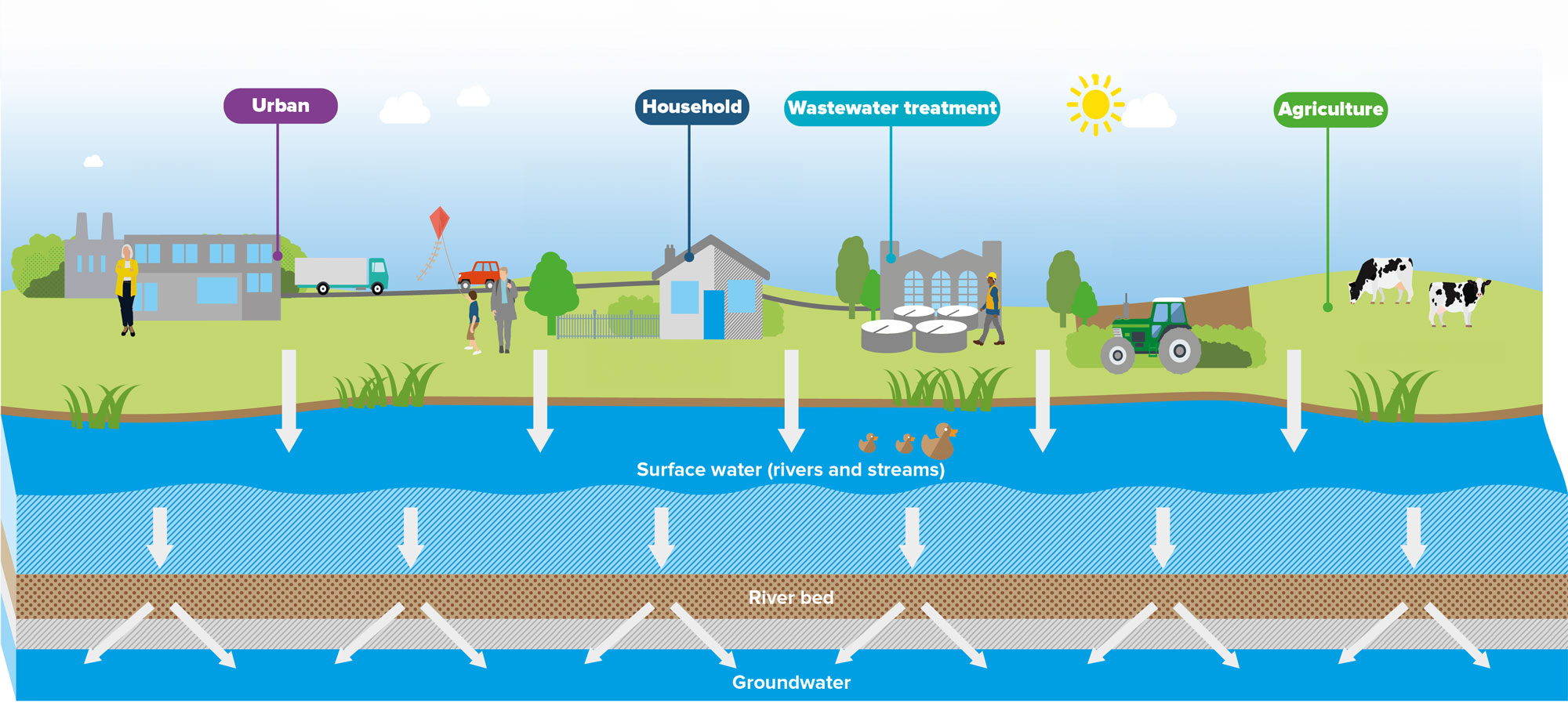

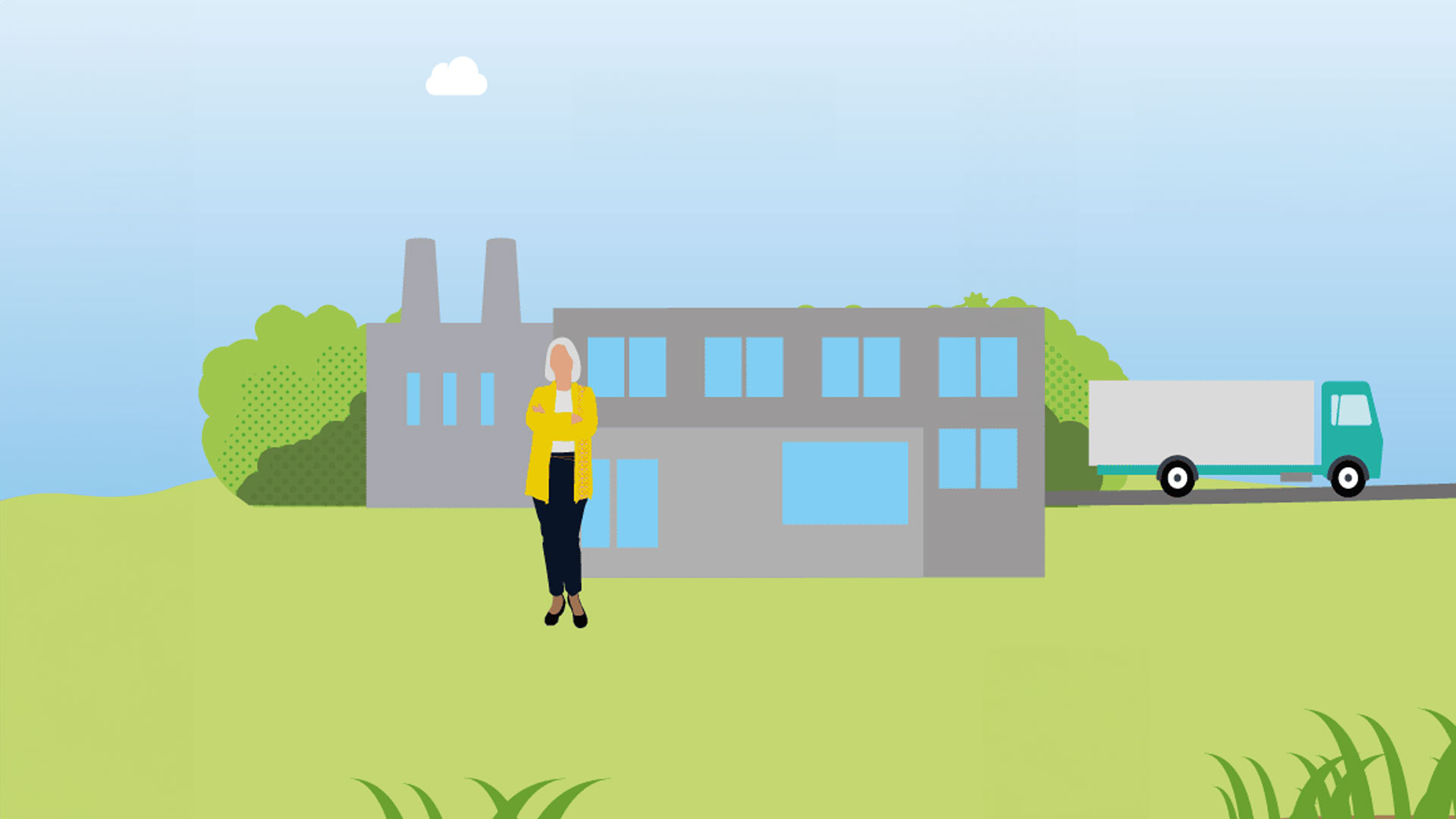
Waste from industrial processes can affect river and groundwater quality. Surface water run-off from roads and drains can also be very dirty and require more treatment.
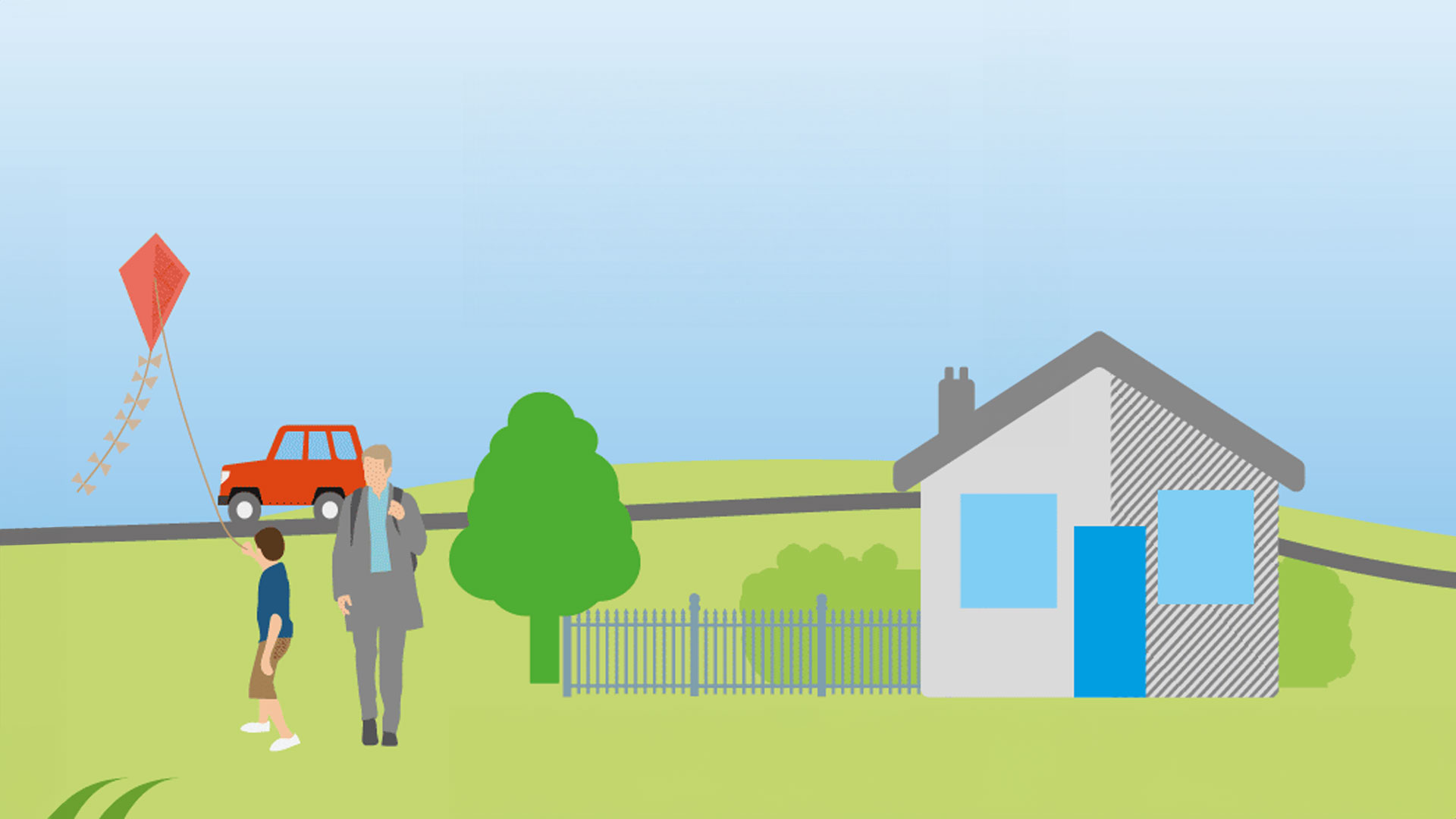
Pesticides from gardens and allotments can easily be carried from land to nearby streams and rivers. For example, metaldehyde, which is used to control slugs and snails, is one of the most challenging pesticides for water companies to remove. We've recorded levels of this pesticide above the drinking water standard in two-thirds of our rivers and reservoirs. Septic and oil tanks and drainage misconnections (where wastewater pipes are connected to the surface water drain) can also contaminate water and affect its quality.
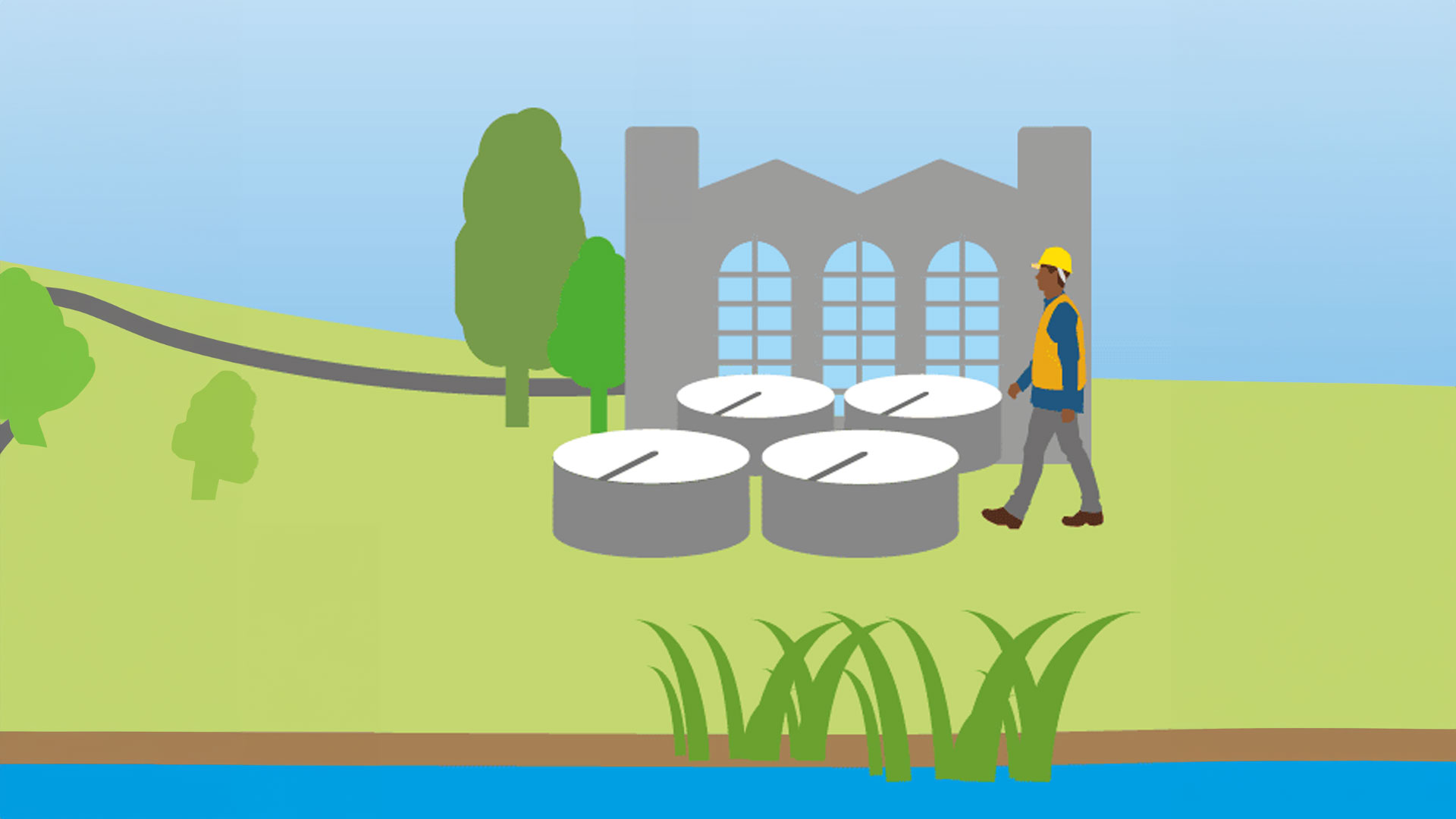
Discharges from treatment works, sewers and storm overflows can also cause pollution incidents and affect water quality. Storm overflow releases happen when our network is at risk of becoming overwhelmed during or after periods of heavy rainfall. This diluted stormwater and wastewater is discharged into rivers and seas to stop it from backing up into homes and businesses.
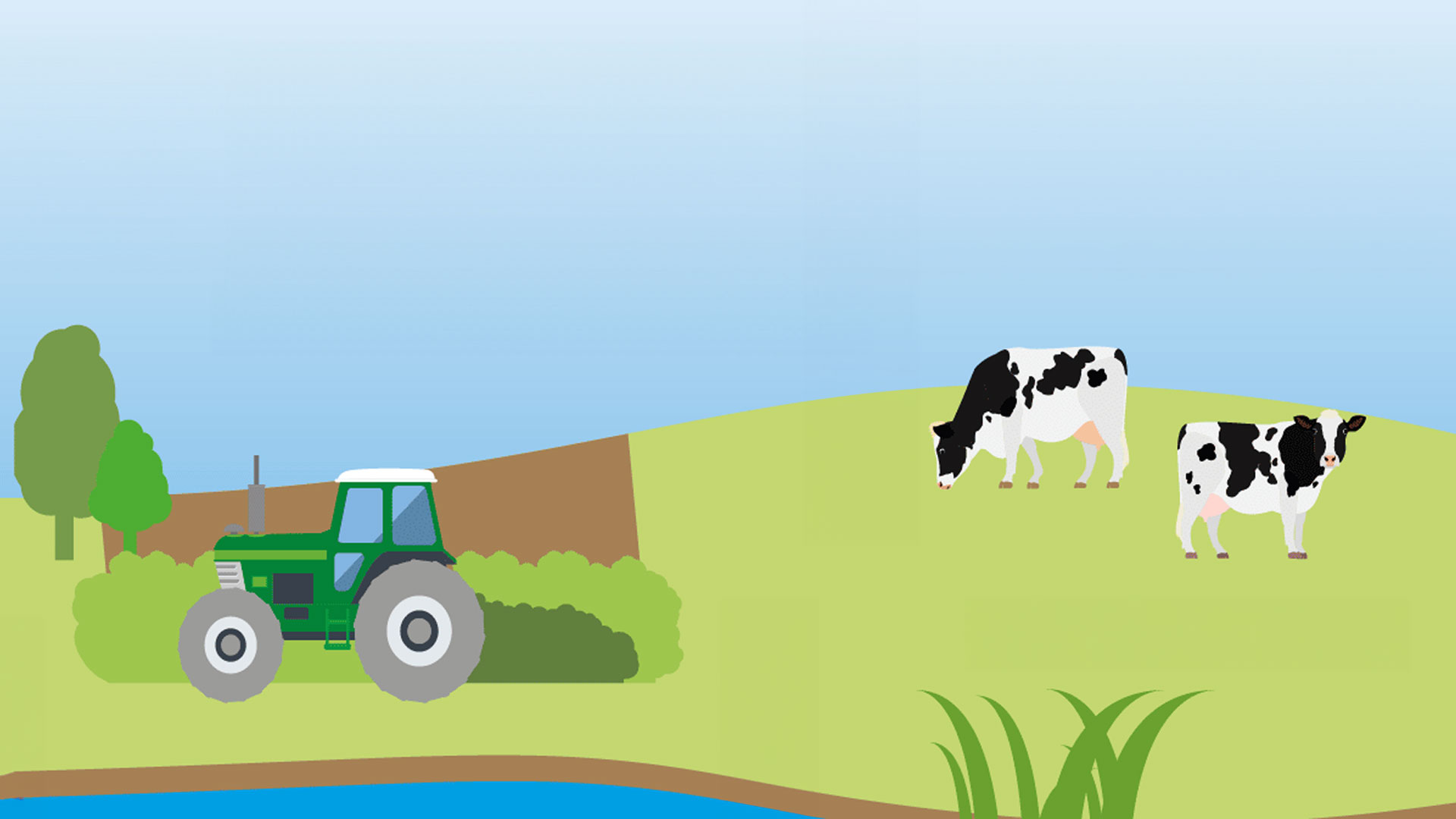
Run-off containing nitrate from fertilisers, pesticides and herbicides can also affect water quality and impact wildlife and the environment. Currently, two-thirds of our groundwater sources show high or increasing levels of nitrate. Nutrients from livestock effluent and sediment run-off can also leach into groundwater. It can take decades for water to seep down into aquifers and current nitrate levels are from fertiliser that was used many years ago. This makes it even more important to take action now.

Waste from industrial processes can affect river and groundwater quality. Surface water run-off from roads and drains can also be very dirty and require more treatment.

Pesticides from gardens and allotments can easily be carried from land to nearby streams and rivers. For example, metaldehyde, which is used to control slugs and snails, is one of the most challenging pesticides for water companies to remove. We've recorded levels of this pesticide above the drinking water standard in two-thirds of our rivers and reservoirs. Septic and oil tanks and drainage misconnections (where wastewater pipes are connected to the surface water drain) can also contaminate water and affect its quality.

Discharges from treatment works, sewers and storm overflows can also cause pollution incidents and affect water quality. Storm overflow releases happen when our network is at risk of becoming overwhelmed during or after periods of heavy rainfall. This diluted stormwater and wastewater is discharged into rivers and seas to stop it from backing up into homes and businesses.

Run-off containing nitrate from fertilisers, pesticides and herbicides can also affect water quality and impact wildlife and the environment. Currently, two-thirds of our groundwater sources show high or increasing levels of nitrate. Nutrients from livestock effluent and sediment run-off can also leach into groundwater. It can take decades for water to seep down into aquifers and current nitrate levels are from fertiliser that was used many years ago. This makes it even more important to take action now.
Our team of groundwater specialists have a detailed understanding of how abstraction effects the wider environment. Where it is identified that we may be having an impact on the environment, on a precautionary basis we can reduce amount of water we abstract, making more available to support river flows or maintain wet areas valuable for nature conservation.
However, increasing the amount of water does not fully address the problem. For example, chalk streams and wetland habitats are subject to other pressures such as historical modification for milling, fishing, urban development and land management. We must make sure our abstractions are sustainable to protect the ecological diversity and resilience of watercourses and wetlands.
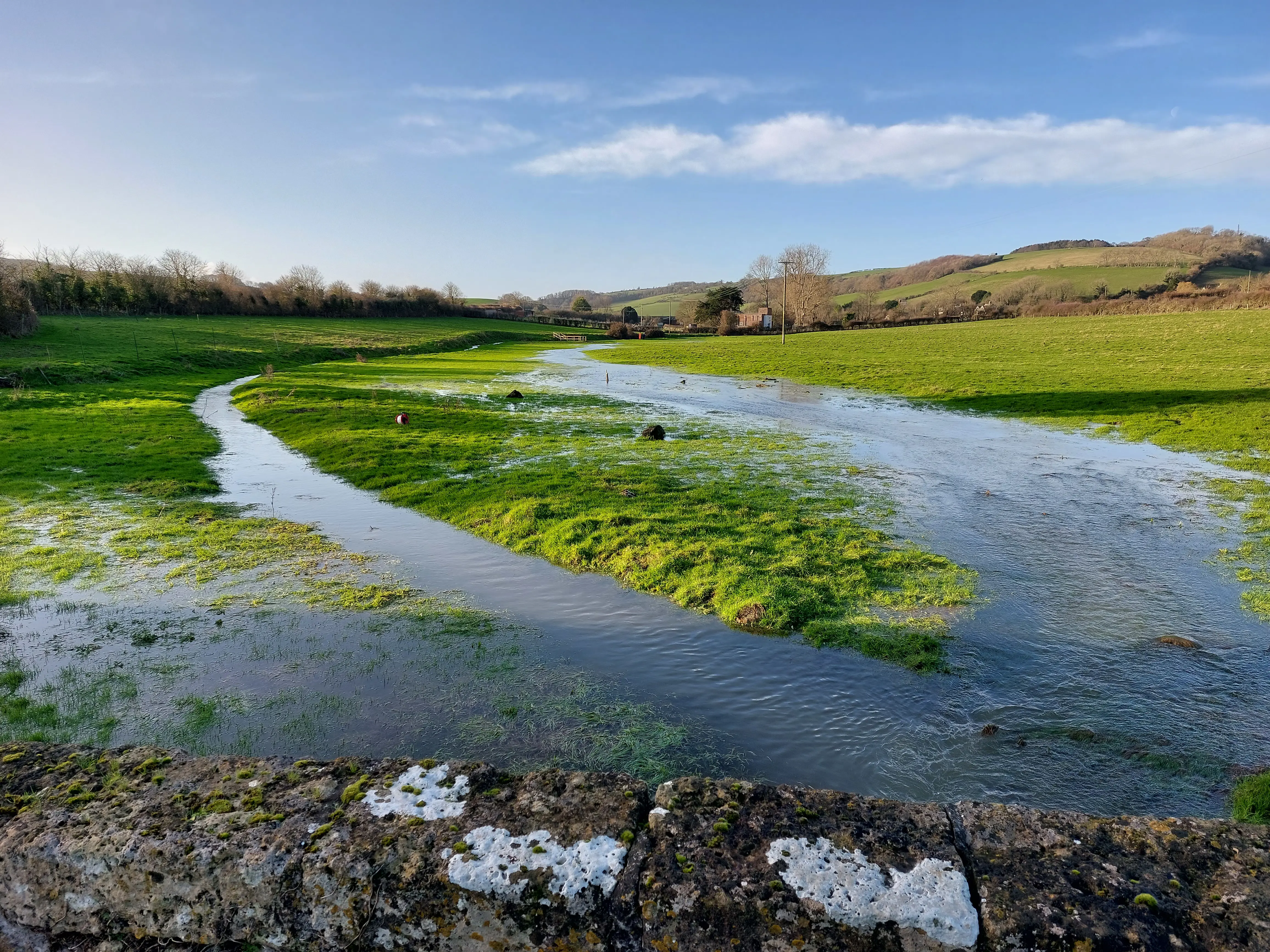
One of our long-term challenges is making sure we have enough water to supply our customers and maintain a healthy environment.
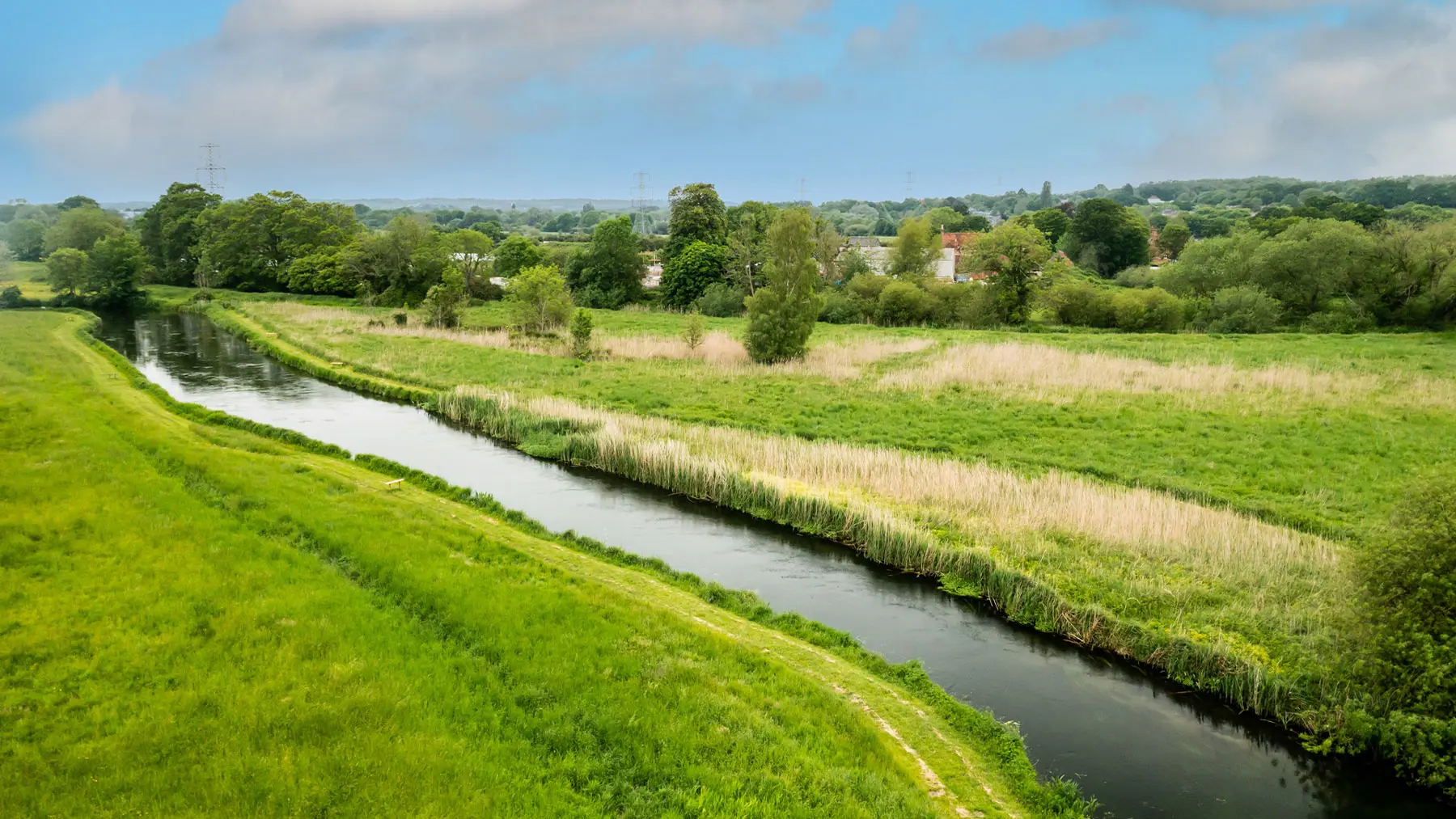
To make sure our abstractions are environmentally sustainable, we have a series of river and wetland enhancement schemes designed to improve ecological diversity and resilience to low flows. This work secures the protection and ecological enhancement of sections of precious chalk stream habitat in parts of Sussex, Hampshire and the Isle of Wight.
Soils are one of the most important building blocks to life on earth. They’re an important natural asset helping to keep water clean, give nature a home and produce food. We’re delivering a wide range of projects focusing on building soil stability to reduce soil erosion. This also helps to capture carbon dioxide from the atmosphere and reduces the amount of fertilisers applied to land.
As an example, we worked with ten farms in the Arun to Adur Farmer catchment to monitor soil in 30 fields with over 2,000 samples analysed over five-years. This project has been valuable in helping us understand soils, the importance of certain management techniques and the relationship between earthworms and healthy crops.
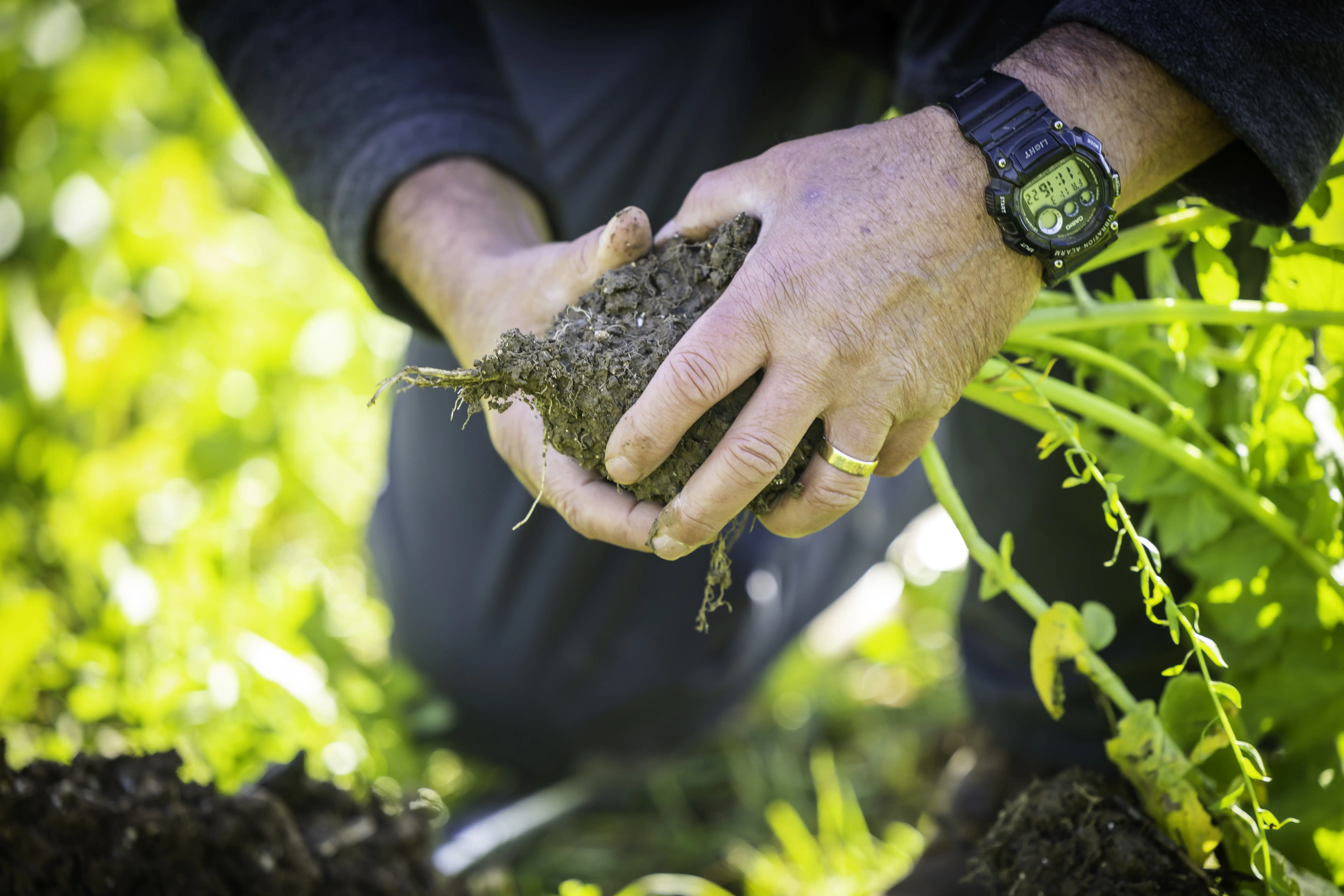
Two-thirds of our groundwater sources show high or increasing levels of nitrate. This needs to be reduced to meet drinking water standards. Whilst in some cases we have installed treatment facilities, these are costly to build and operate.
Catchment First takes a different approach, by working in partnership with farmers to improve nitrogen use efficiency and reduce the amount of fertiliser in drinking water sources.
Over the last five years we’ve worked with close to 100 farmers in our groundwater catchments investing in over 12,000 hectares - an area of nearly 20,000 football pitches - of sustainable agriculture measures to reduce fertiliser losses. We also work with partners to raise awareness of key issues.
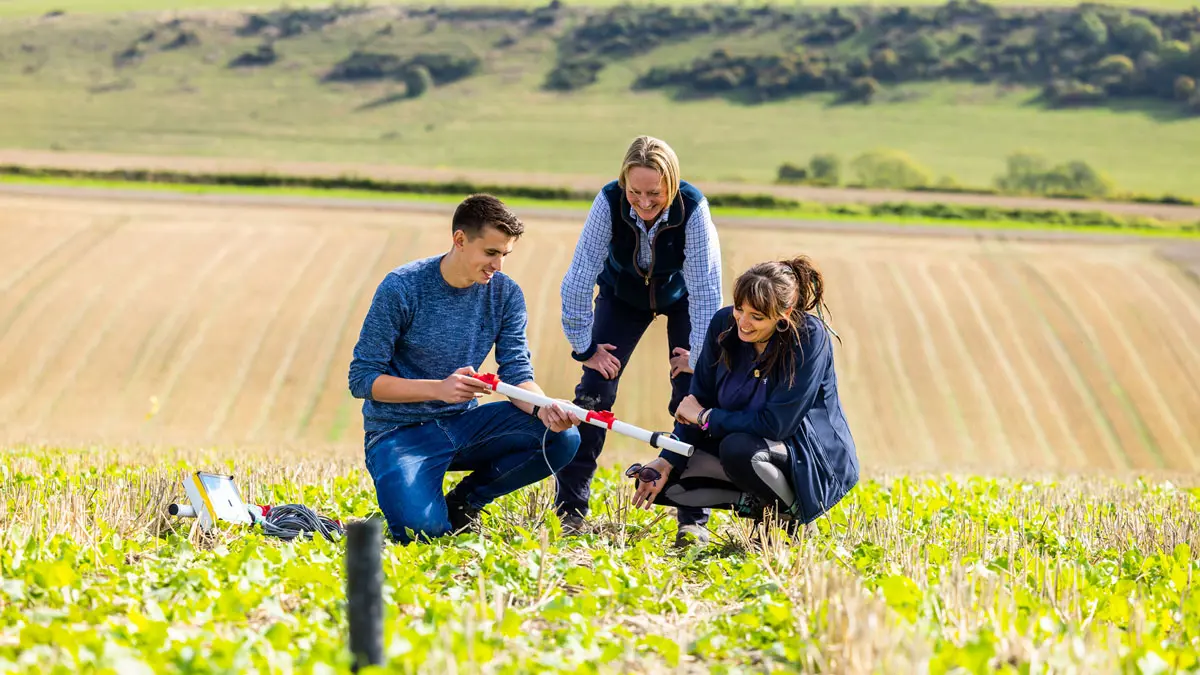
We care about the environment and as a community of colleagues who live and work locally, we all want to leave the environment in a better state than we found it. Improving the quality of our waters is a joint effort and something that we all have a part to play in.
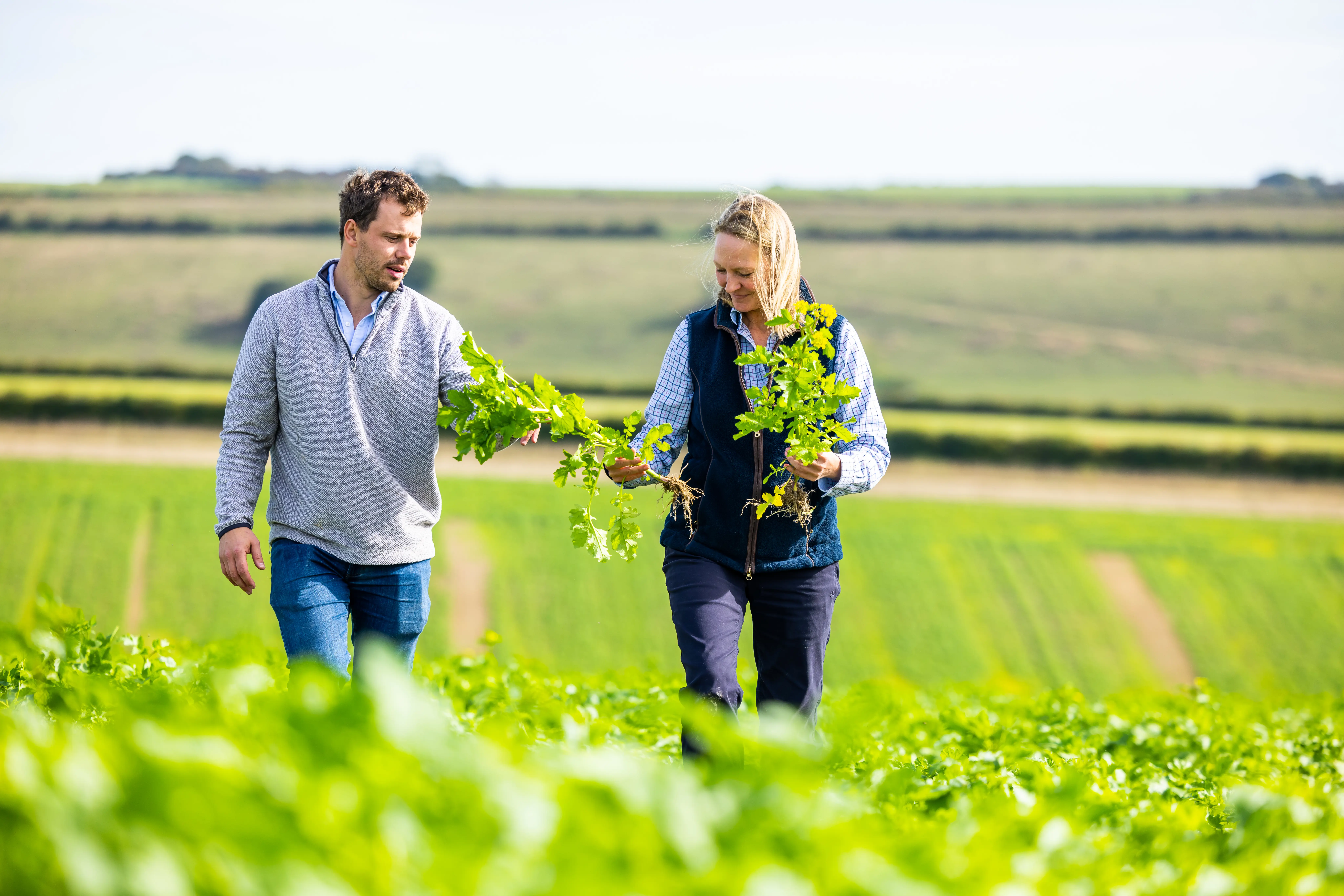
Farming is a major activity across the South East, but it can have a big impact on water quality. We work closely with farmers, helping to encourage sustainable farming practices. From offering workshops on how best to use fertilisers and pesticides to reduce runoff into the rivers and seas, to trialling ground-breaking new initiatives to improve the land around them. Working in partnership with farmers allows us to catch these pollutants before they sneak their way into the water.
Alongside farmers, we work with people that live and work in the area, investing in local charities and community groups to create a wide network that cares for the long-term health of our precious natural resources.