

Live Updates arrow
Account Login
search-icon
Close

Storm overflows

Storm overflows, sometimes referred to as spills, are a historic part of the UK sewer network and are regulated by the Environment Agency. When too much water gets into the system, storm overflows act as a safety valve, releasing excess water into the environment to stop it from backing up into homes and businesses.

background

Tackling storm overflow releases

We’re investing £1.5 billion to reduce the use of storm overflows and their impact on the environment. 

The challenge is to keep rainwater and groundwater out of the network, or at least slow their flow, so the sewer system doesn’t become overwhelmed and trigger a release. Climate change, population growth and the loss of green spaces continue to put extra pressure on our systems.

We’re focusing on sustainable drainage, smarter technology, and sewer sealing to slow the flow. We’re already making meaningful progress and have prevented more than 700 storm overflow releases in the first 12 months.

What can cause a storm overflow release?

Heavy rain causes most storm overflow releases, but other problems in the sewer network, such as high groundwater levels and wrongly connected pipes, can also play a part.
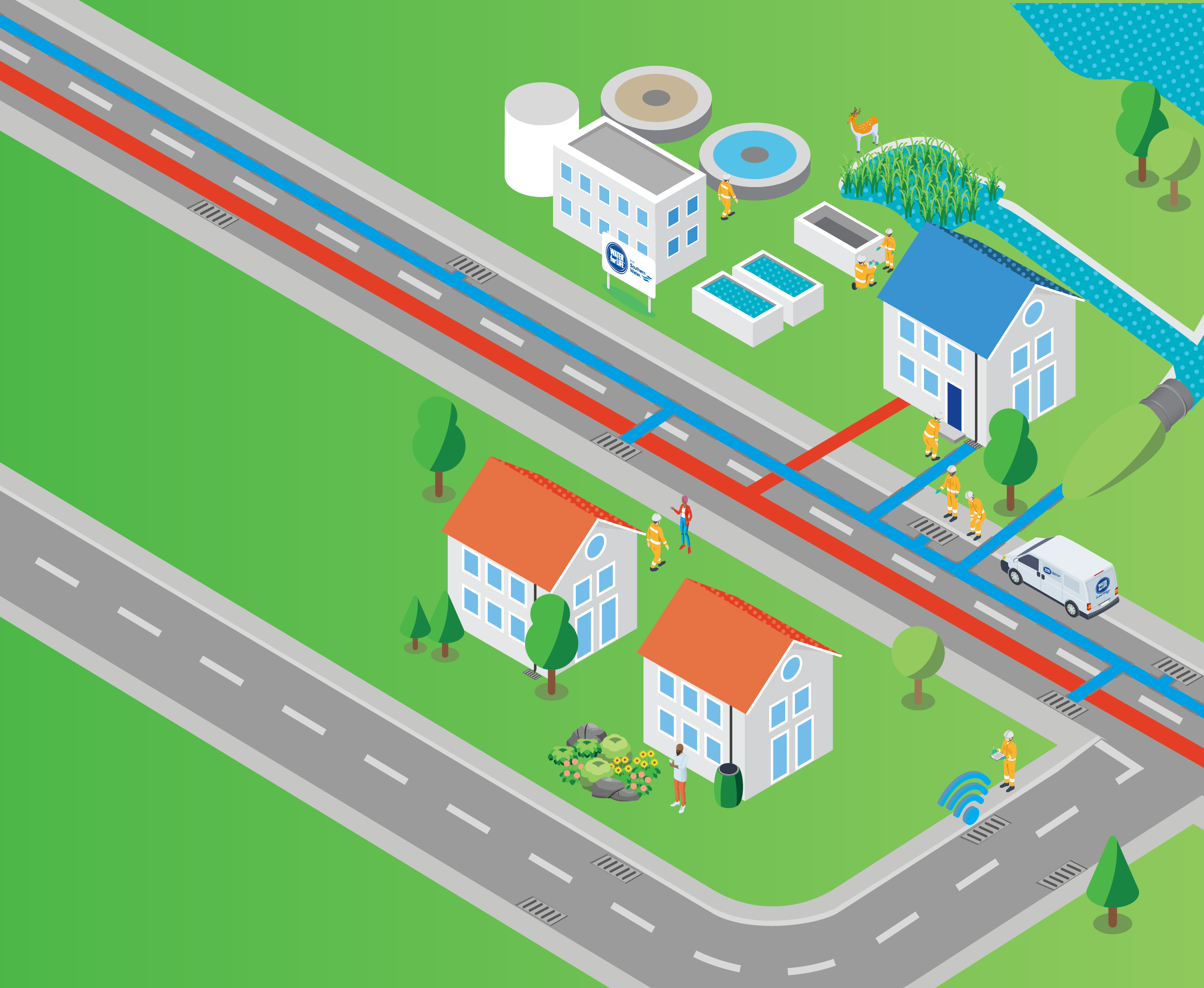
Graphic showing what a combined storm overflow is

Rainfall

It’s a popular misconception that storm overflows are a new problem. They aren’t – this is how combined sewer systems work when they’re overwhelmed with rainwater. 

A single heavy downpour can send millions of litres of water run-off from roofs, roads and pavements into pipes, mixing with wastewater and overloading the system. This automatically triggers a release to prevent flooding. Storm overflow releases that happen after and during heavy rain are permitted by the Environment Agency. 

Rainwater doesn’t always reach the sewers immediately, so releases can happen several days after wet weather.   

Groundwater

When it rains, some water soaks into the ground and becomes groundwater. When groundwater levels rise, the water squeezes its way through joints in pipework and ends up in our sewer network, overwhelming the system and triggering a storm overflow release.  

When groundwater levels are high, storm overflow releases are sometimes permitted by the Environment Agency, depending on the circumstances. We share our plans for managing the impact of groundwater with them. Our Infiltration Reduction Plans show the steps we’re taking to tackle this issue.  

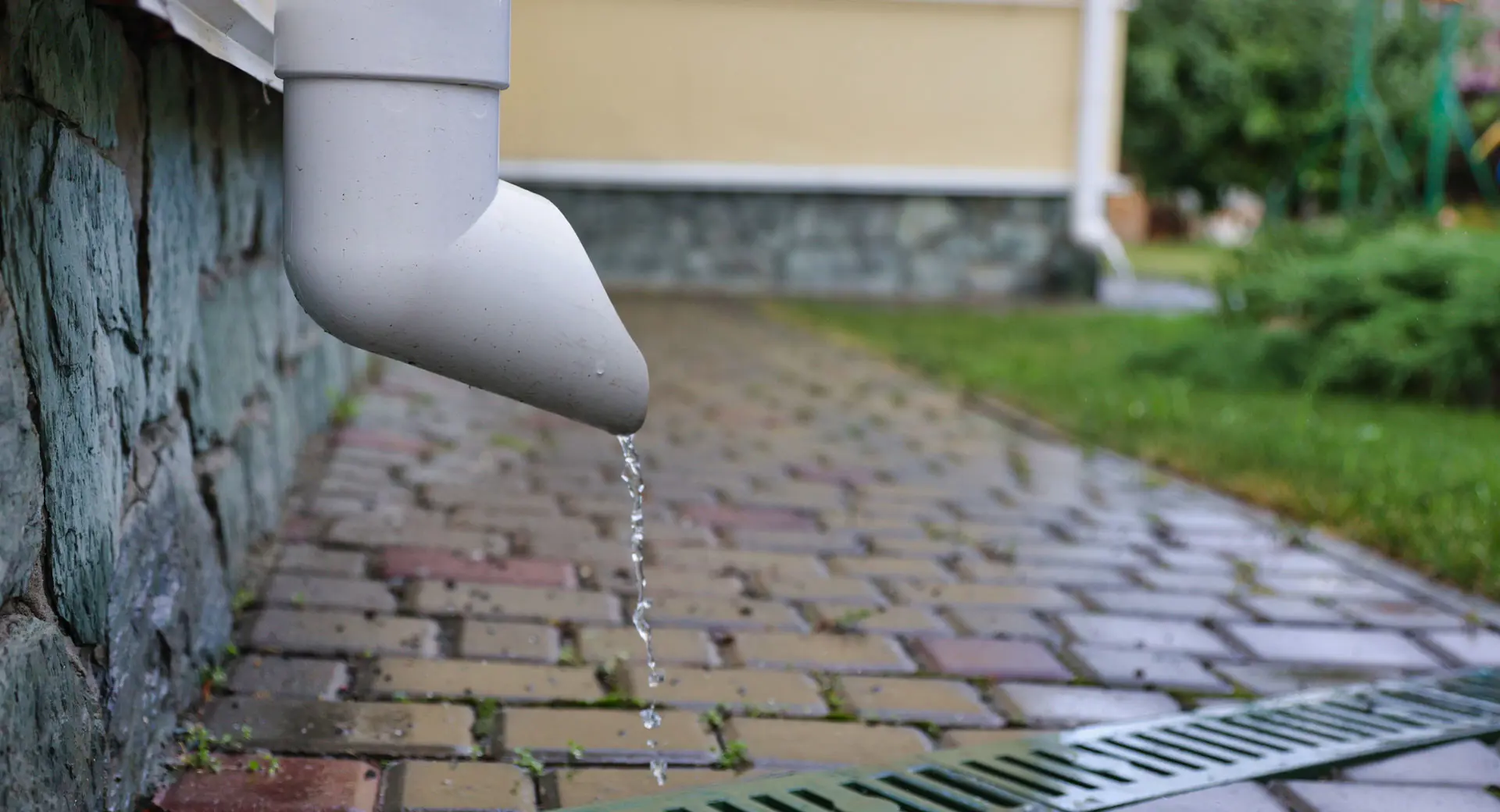
A close-up of water dripping from a house drainpipe into a drain in a paved area of a garden

Wrongly connected pipes

When private surface water pipes – carrying rainwater – are connected to a wastewater or a combined sewer, the amount of water entering the sewer increases, putting extra pressure on the network.

Where possible, we’re working with homeowners and businesses across the region to make sure rainwater running off roofs and driveways goes into the correct type of sewer.

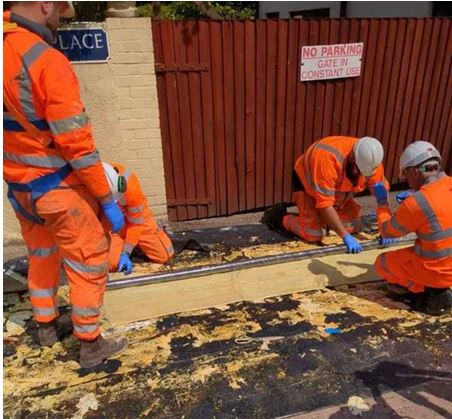
Southern water repair team putting on a drain cover

Issues in our network

A mechanical fault or a technical glitch at one of our sites can cause a storm overflow release or an emergency overflow release. These are sometimes diluted with rain or groundwater and are not permitted by the Environment Agency. 

Although they don’t directly cause a release, blockages can become a big problem. What we put down the drain doesn’t just clog pipes but reduces the capacity in the sewer network, putting extra strain on the system. 

Our blockages team work hard to prevent the build-up of wet wipes and fat, oil and grease in our sewers but we need your help too.  

Reducing storm overflow releases 

Out of almost 1,000 storm overflows in our region, 50% of these are already hitting the government’s 2050 targets, releasing 10 times or less a year. 

Learn about the solutions we’re putting in place and how you can help reduce storm overflow releases too.

hotspot-icon
hotspot-icon
hotspot-icon
hotspot-icon
hotspot-icon
hotspot-icon
hotspot-icon
hotspot-icon
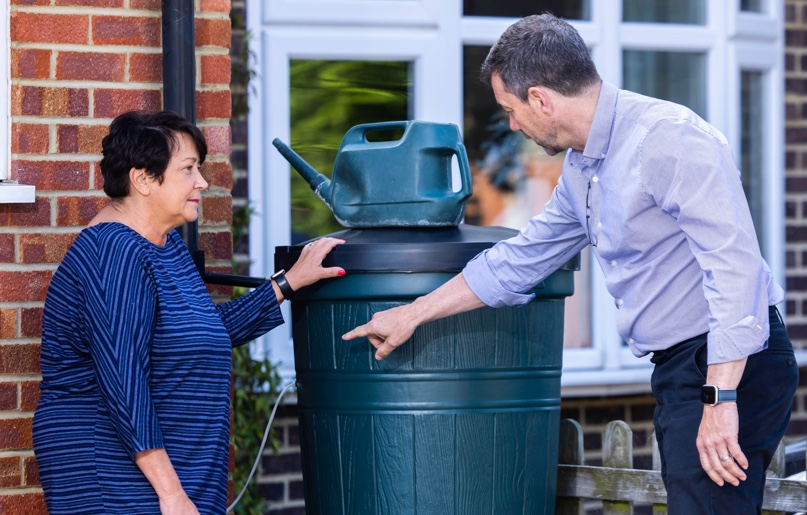
Two people stood in a garden next to a water butt with a watering can on the top

We all need sustainable drainage

The easiest way to prevent the use of storm overflows is by reducing the amount of water entering the network or at least, slowing its flow. We’re working with local authorities, businesses and residents to promote and install more sustainable drainage, like more permeable paving, green spaces and water butts. This significantly helps reduce the amount of rainwater flowing into the sewers. For example, we installed a swale at Kimpton, Thruxton and Fyfield Church of England Primary School, in Kimpton near Andover to help prevent storm overflows and school closures due to flooding. How sustainable is your drainage?
A close-up of water dripping from a house drainpipe into a drain in a paved area of a garden

Reconnecting pipes

Wrongly connected pipes can cause excessive rainwater which can overwhelm the network. We’re working hard to reconnect gutters and pipes to surface water sewers , or better still – a flower bed or grass. At Herne Bay, we disconnected a surface water pipe from the wastewater sewer and installed new pipework to reconnect it to the main surface water sewer. This change prevented around 46,800 litres of extra water from flowing to our treatment works, easing pressure on the system.

Watching what we flush

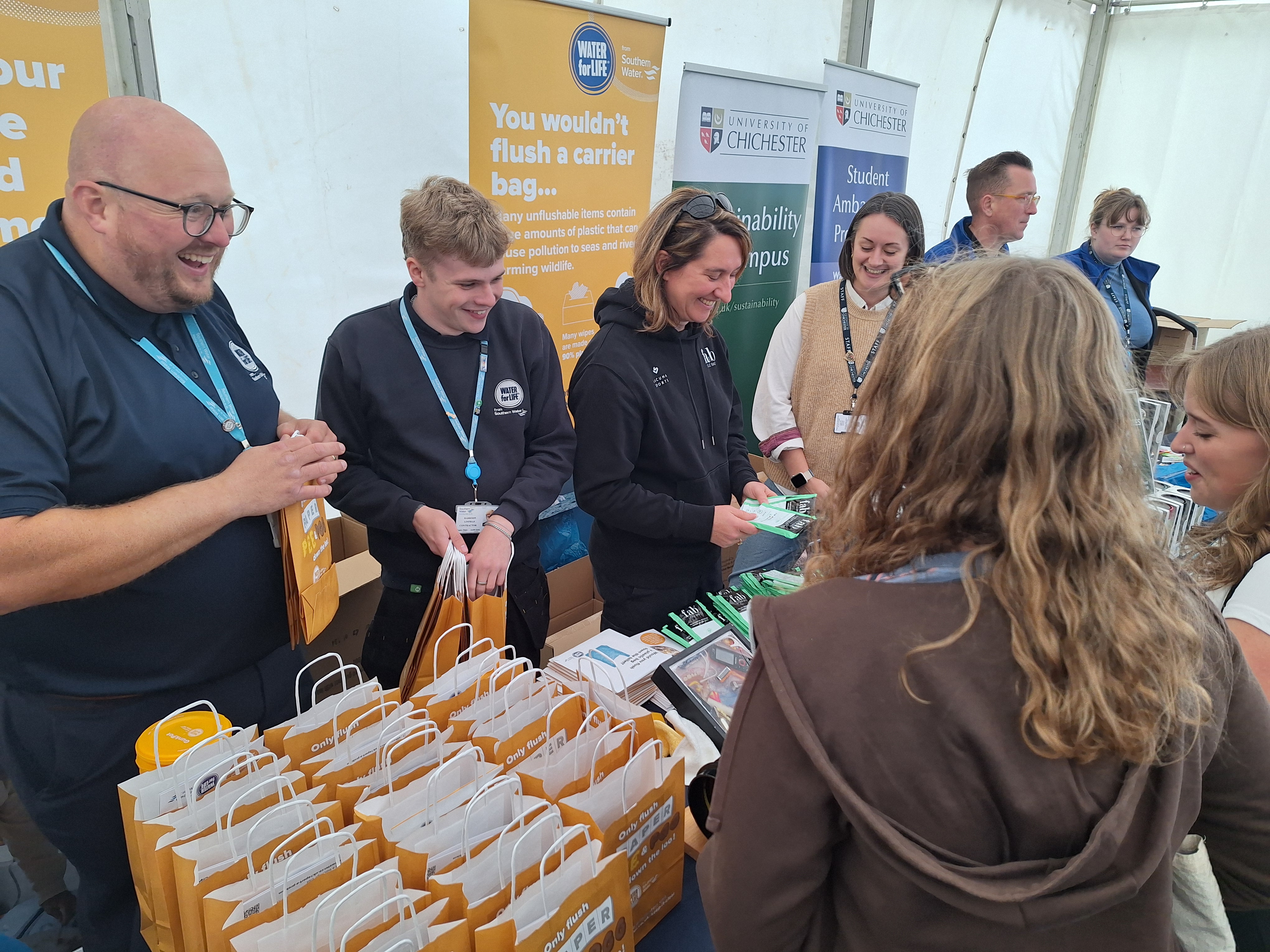
We can all do our bit to prevent blockages in the network. Only flush the 3 Ps – pee, poo and paper – down the loo and dispose of fat, oil and grease in the bin not down the sink. We worked alongside The University of Chichester and sustainable disposal bag company TheFabBagCo to encourage customers to bin, not flush, sanitary products. As a result of this pilot project, blockages caused by unflushable items dropped by 62% compared with the previous year. By putting stuff in the bin instead of down the drain, we can all help keep sewers flowing and prevent emergency storm overflow releases.

Upgrading the network

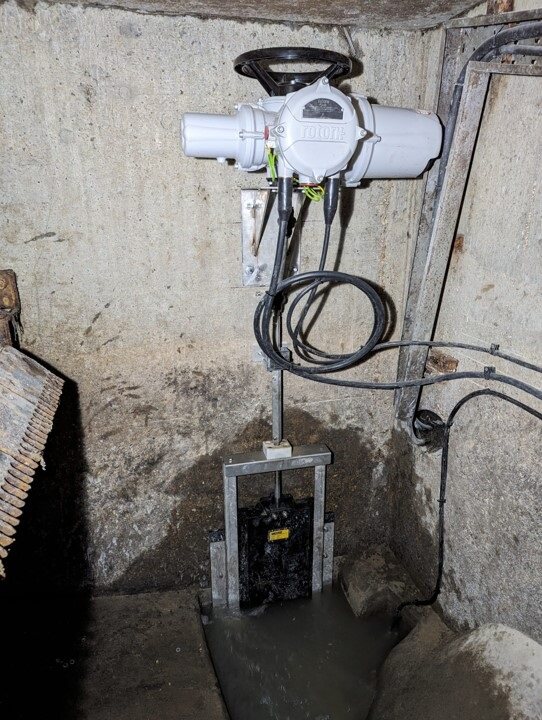
We’re partnering with property owners, developers and authorities, so we can improve both public and private infrastructure. This includes increasing storm water storage and installing smart sewer monitors to spot problems faster and reduce disruption to our network. In Cowes on the Isle of Wight, we replaced a sharp bend in the pipework, which was causing wastewater to back up and trigger a release. By installing a smart sewer gate, we were able to complete stop releases from this storm overflow.

Going beyond compliance

We’re always looking for ways to go beyond what is expected of us by our regulators, to protect the local environment. We’re also not afraid to challenge them. Our permit at Fairlee required us to store 3 million litres of storm water on site before releasing it. We were able to do this but went one step further – utilising an old unused treatment tank that allowed us to store an additional 15 million litres of storm water. By unlocking more storm water storage, we prevented 24 releases in one alone.

Treating stormwater naturally

A new and innovative step in the treatment process, we’re now using wetlands to clean and treat stormwater – to the same standard as our treatment works – before it’s released to the environment. This takes pressure off the network and promotes local biodiversity. Our Lavant wetland has treated over 300 storm overflows releases that would have previously gone out into the environment as permitted releases.

Increasing storage

Sometimes new or bigger infrastructure like storm tanks is necessary, but we see this as a last resort. Storm tanks provide a temporary solution but can fill up in as little as 20 minutes in heavy rain. We therefore need to look at alternative, more sustainable solutions, like green spaces, to help reduce the amount of rainwater from entering the network. A £900,000 investment saw a major upgrade at our Queenborough Wastewater Treatment Works in Kent, significantly increasing its storm water storage capacity and helping to reduce storm overflows.

Sealing sewers

Digging up and replacing all 40,000km of network would cause a lot of disruption to our communities. So, we're looking at ways to slow the flow of water entering the system through sewer sealing. Relining existing sewers stops groundwater from getting in through gaps. By keeping groundwater out, we can prevent the system from becoming overwhelmed, often leading to storm overflow releases. We’re investing £3.5 million in Hampshire to seal over 15.5km of sewers in Penton Mewsey and Appleshaw near Andover. This will help reduce storm overflows and improve the resilience of our wastewater network.

hotspot-icon
hotspot-icon
hotspot-icon
hotspot-icon
hotspot-icon
hotspot-icon
hotspot-icon
hotspot-icon
Two people stood in a garden next to a water butt with a watering can on the top

We all need sustainable drainage

The easiest way to prevent the use of storm overflows is by reducing the amount of water entering the network or at least, slowing its flow. We’re working with local authorities, businesses and residents to promote and install more sustainable drainage, like more permeable paving, green spaces and water butts. This significantly helps reduce the amount of rainwater flowing into the sewers. For example, we installed a swale at Kimpton, Thruxton and Fyfield Church of England Primary School, in Kimpton near Andover to help prevent storm overflows and school closures due to flooding. How sustainable is your drainage?
A close-up of water dripping from a house drainpipe into a drain in a paved area of a garden

Reconnecting pipes

Wrongly connected pipes can cause excessive rainwater which can overwhelm the network. We’re working hard to reconnect gutters and pipes to surface water sewers , or better still – a flower bed or grass. At Herne Bay, we disconnected a surface water pipe from the wastewater sewer and installed new pipework to reconnect it to the main surface water sewer. This change prevented around 46,800 litres of extra water from flowing to our treatment works, easing pressure on the system.

Watching what we flush

We can all do our bit to prevent blockages in the network. Only flush the 3 Ps – pee, poo and paper – down the loo and dispose of fat, oil and grease in the bin not down the sink. We worked alongside The University of Chichester and sustainable disposal bag company TheFabBagCo to encourage customers to bin, not flush, sanitary products. As a result of this pilot project, blockages caused by unflushable items dropped by 62% compared with the previous year. By putting stuff in the bin instead of down the drain, we can all help keep sewers flowing and prevent emergency storm overflow releases.

Upgrading the network

We’re partnering with property owners, developers and authorities, so we can improve both public and private infrastructure. This includes increasing storm water storage and installing smart sewer monitors to spot problems faster and reduce disruption to our network. In Cowes on the Isle of Wight, we replaced a sharp bend in the pipework, which was causing wastewater to back up and trigger a release. By installing a smart sewer gate, we were able to complete stop releases from this storm overflow.

Going beyond compliance

We’re always looking for ways to go beyond what is expected of us by our regulators, to protect the local environment. We’re also not afraid to challenge them. Our permit at Fairlee required us to store 3 million litres of storm water on site before releasing it. We were able to do this but went one step further – utilising an old unused treatment tank that allowed us to store an additional 15 million litres of storm water. By unlocking more storm water storage, we prevented 24 releases in one alone.

Treating stormwater naturally

A new and innovative step in the treatment process, we’re now using wetlands to clean and treat stormwater – to the same standard as our treatment works – before it’s released to the environment. This takes pressure off the network and promotes local biodiversity. Our Lavant wetland has treated over 300 storm overflows releases that would have previously gone out into the environment as permitted releases.

Increasing storage

Sometimes new or bigger infrastructure like storm tanks is necessary, but we see this as a last resort. Storm tanks provide a temporary solution but can fill up in as little as 20 minutes in heavy rain. We therefore need to look at alternative, more sustainable solutions, like green spaces, to help reduce the amount of rainwater from entering the network. A £900,000 investment saw a major upgrade at our Queenborough Wastewater Treatment Works in Kent, significantly increasing its storm water storage capacity and helping to reduce storm overflows.

Sealing sewers

Digging up and replacing all 40,000km of network would cause a lot of disruption to our communities. So, we're looking at ways to slow the flow of water entering the system through sewer sealing. Relining existing sewers stops groundwater from getting in through gaps. By keeping groundwater out, we can prevent the system from becoming overwhelmed, often leading to storm overflow releases. We’re investing £3.5 million in Hampshire to seal over 15.5km of sewers in Penton Mewsey and Appleshaw near Andover. This will help reduce storm overflows and improve the resilience of our wastewater network.

Frequently asked questions

As storm overflow releases typically happen when there is a huge amount of rainwater and/or groundwater in the system, the water they release is usually heavily diluted. Wastewater in the combined sewer network comes from sinks, showers, dishwashers, washing machines and other appliances, not just toilets. During an emergency overflow release, water is often put through a filtering process before being released   .

Although storm overflow releases are heavily diluted, they are one of many factors that can impact water quality. Water quality can also be impacted by:

  • farming, including the use of pesticides, animal medicines and waste that makes its way into sewers 
  • illegal connections within private pipes where wastewater drains connect to surface water sewers
  • seabird and other animal waste causing a spike in bacteria levels
  • people disposing of chemicals and waste down surface water drains 
  • seaweed and algal blooms that help bacteria thrive
  • activity such as on-board toilets releasing directly into the sea.

The impact of a storm overflow release can vary based on several factors including the location and duration of the release, and even the tides and weather at the time. 

Our release permits are designed to consider these factors, and we let local authorities know when there is a release.

When heavy rain is forecast, we take action to protect our wastewater sites and the environment. 

  • We carry out extra checks to make sure our teams, equipment and permit conditions are ready.
  • We make sure our screens are working and our storm tanks are empty. 
  • We bring in additional tankers in case they’re needed. 
  • We monitor higher‑risk sites more closely and make sure they’re manned 24/7. 
  • We check standby generators to reduce the risk of power outages. 


We have almost 1,000 storm overflows across the region. We manage almost 1,000 storm overflows across the region. Through our Clean Rivers and Seas Plan, we are investing £1.5 billion between 2025 and 2030 to significantly reduce their use. We have sensors and alarms installed on all our storm overflows, so we can monitor activity and identify any issues as quickly as possible. 

The Department of Environment, Food and Rural Affairs (Defra) published its Storm Overflows Discharge Reduction Plan in August 2022. This sets the target for the water industry to eliminate storm overflows by 2050 (except for unusually heavy rainfall).

We published our Clean Rivers and Seas Plan, with each storm overflow given a regulatory deadline to hit. These are spilt into the following deadlines: 2027, 2030, 2035, 2040, 2045 and 2050, as set by our regulators. 

We are on track with our 2027 deadlines, investing and implementing solutions on over 100 storm overflows. 

With over 100,000km of combined sewers still in existence in the UK – mostly under roads and buildings – separating the entire network would be extremely expensive and disruptive.

We work with local planning authorities and developers to make sure new developments are connected to separate surface water and wastewater sewers where possible. 

We haven’t paid any external dividends to our shareholders since 2017 to make sure we’re investing as much as possible in our network. When we’ve received fines, these have been paid from our shareholders, not from customer’s money.

We understand the burden the rising cost of living is having, and we have a range of support for our customers. These include discounts of up to 45% and increasing the value of our Hardship Fund from £250,000 annually to £1.25 million to help fund appliance and paying back debt. 

Since privatisation, £10 billion has been spent to increase the volume of wastewater that is fully treated before being released back into the environment. Continuous investment means over 95% of water released into the environment is now fully treated – compared to 50% pre-privatisation.  

This has helped improve the quality of our bathing waters with 89% of bathing water now rated ‘good’ or ‘excellent’ – up from 28% pre-privatisation.