

Live Updates arrow
Account Login
search-icon
Close

Drought Plan

Our Drought Plan sets out how we would deal with a drought in Sussex, Kent, Hampshire and the Isle of Wight. It outlines the steps we would take to make sure we can maintain supplies of drinking water to our customers while minimising the impact on our rivers and the environment during drought events.

background

Our working draft Drought Plan 2027

We’ve published our working draft Drought Plan for 2027-2032, following completion of the relevant review process before publication. We’d now like to hear your feedback in our public consultation. You can find our Draft Drought Plan 2027 Consultation documents below.

Developing our Drought Plan

Drought plans are updated every five years to help prepare for dry weather. As our most recent was only published in August 2025, we've had less time than usual to prepare the next plan and are therefore still at an early stage in developing Drought Plan 2027. 

We’re carrying out a high-level public consultation while key parts of our Drought Plan are still being developed. This includes environmental assessments, drought triggers, and technical discussions with regulators about how different drought options may be used. These matters will help shape the completed plan and supporting consultation documents. Some of these supporting documents are not yet ready to be shared as part of this consultation. 

We’ll expect to carry out a second, more detailed consultation, once the key areas have been finalised and the supporting documents are ready.

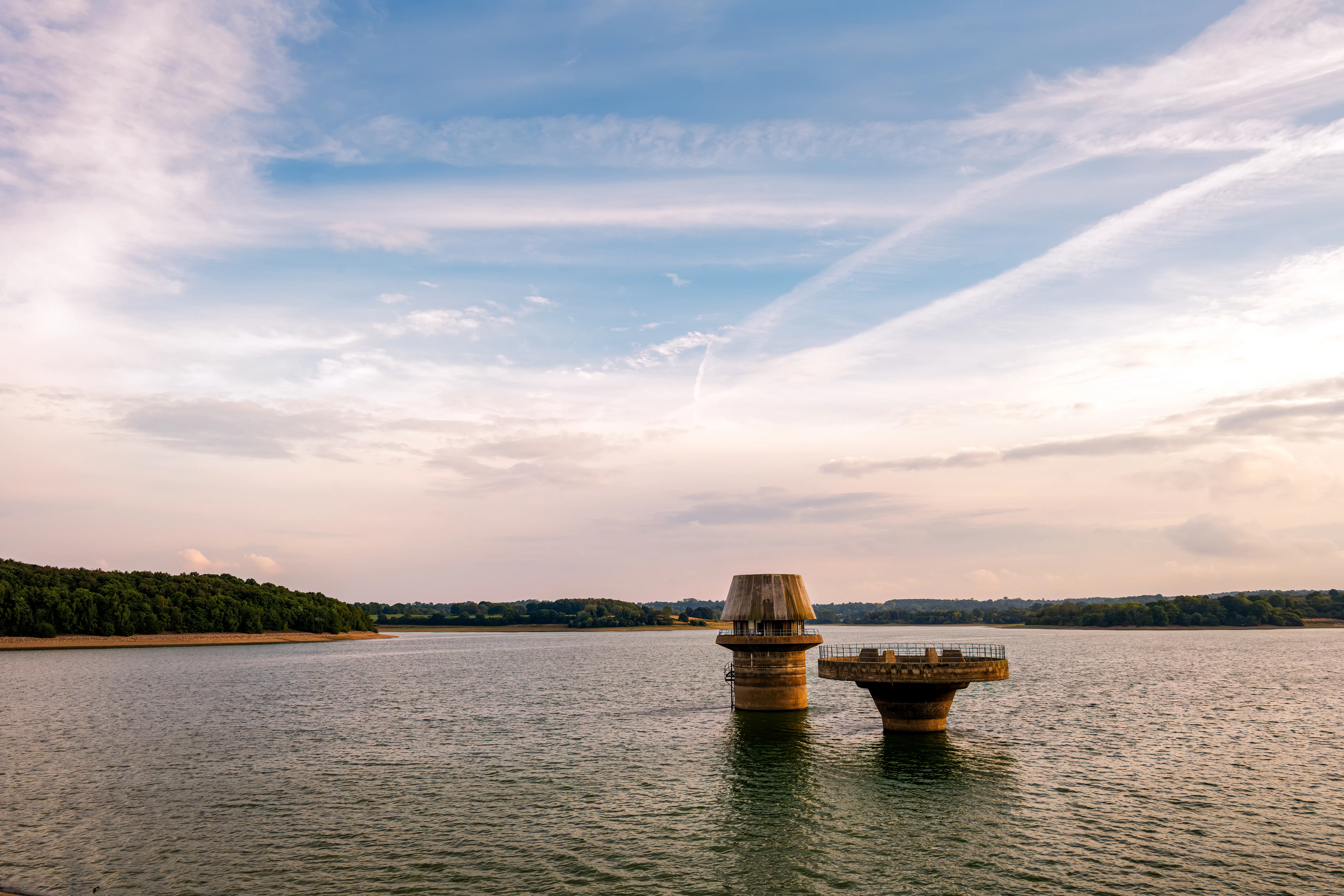
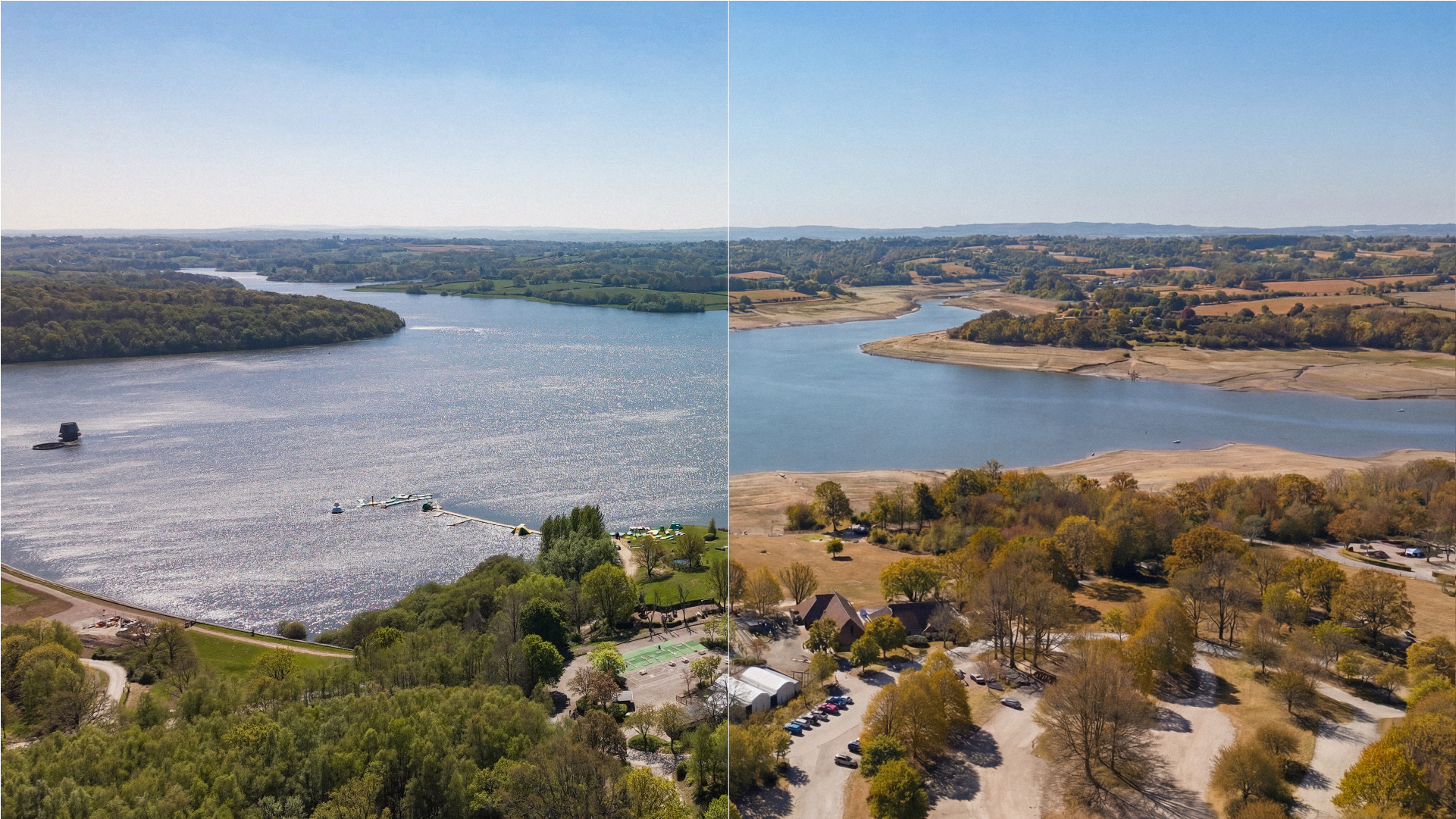
Bewl Reservoir Kent East Sussex with low water levels

Why is this needed?

This initial consultation gives you an opportunity to have your say at an early stage in the development of our Drought Plan 2027. Our non-technical summary sets out how we would deal with a drought in Sussex, Kent, Hampshire and the Isle of Wight. It outlines the steps we may take to maintain the supply of drinking water to our customers during a drought while minimising the impact on our rivers and the environment. 

To protect Hampshire’s rare chalk stream rivers, the River Itchen and River Test, we may need to implement water-saving measures, such as hosepipe bans, even when there isn’t an official drought. This helps us take less water from these rivers during drier periods, so more can stay in the environment where it’s needed most. We’ll need to do this until our major water resource projects, Havant Thicket Reservoir and Hampshire Water Transfer and Water Recycling Project, are up and running. Due to be completed by 2035, they’ll provide a significantly more resilient water supply. They’ll also help protect Hampshire’s chalk streams by reducing how much water we take from them during the summer during periods of drought. 

dry country path in a hot sunny day drought

Our consultation

Between 28 May and 6 August 2026, we’re inviting you to have your say on key elements of our draft Drought Plan 2027. We want to make sure the plan represents your interests, the local community and the environment.  

To help you understand the work we’ve done so far, we’ve provided a summary of our progress in our working draft. This can be found at the start of each report section in the main technical report and at the start of each annex. We’ve also identified the key elements of our plan that are still outstanding and the timetable for completion.  

You’ll see that several sections or annexes are incomplete. This is while we’re carrying out important external studies and working closely with the Environment Agency, Natural England and Defra to shape how we respond to drought in the future, including how we protect Hampshire’s chalk streams and rivers. 

Please look at our  Draft Drought Plan 2027 Consultation documents below. 

Cuckmere River East Sussex in a drought 2022

Share your feedback 

If you’d like to share your feedback on our working draft Drought Plan 2027, you can get in touch by email or post. We’d especially welcome your thoughts on the specific consultation questions shared.  

Emails should be sent to: water.resources@defra.gov.uk. Please copy in droughtplan@southernwater.co.uk and include ‘Southern Water Drought Plan’ in your email subject. 

Letters should be sent to: 

Drought Plan Consultation
Defra, Drought, Seacole
2 Marsham Street
London
SW1P 4DF

If you’d like to view physical copies of our working draft Drought Plan 2027 documents, please email droughtplan@southernwater.co.uk and we’ll post these to you.  

The working draft Drought Plan 2027 documents are available to view and download below.

Once this consultation ends and we’ve gathered feedback on our draft plan, we’ll review the responses and publish a Statement of Response on our website in October 2026. This will summarise the feedback we received and explain how it has shaped the next stage of developing the plan. 

Once we’ve considered your feedback and completed the remaining work, we’ll update our working draft Drought Plan 2027 before submitting it to Defra. After a second, more detailed consultation and final approval, we’ll publish our updated Drought Plan in 2027. 
Timeline

Defra have asked us to plan for a second consultation once the working draft Drought Plan 2027 is complete. This timeline shows its development. 

Autumn 2025

Our pre-consultation with key stakeholders closed on 31 October.

Spring 2026

We submitted our draft Drought Plan on 31 March. Our first public consultation opens on 28 May.

Summer 2026

Our public consultation closes on 6 August.

Autumn 2026

Our Statement of Response is published in October.

Winter 2026/27

We continue technical work, complete outstanding sections of the draft plan, and prepare for the second public consultation which starts in February 2027.

Spring 2027

Our second public consultation closes in April.

Summer 2027

Our Statement of Response is published in June, and we submit our final draft Drought Plan to Defra before publication later in the summer.

Drought Plan documents

Our working draft Drought Plan 2027 is made up of several documents, including a non-technical summary, main plan, appendices and environmental assessments.

Filter by year:

Showing 16 out of 37