


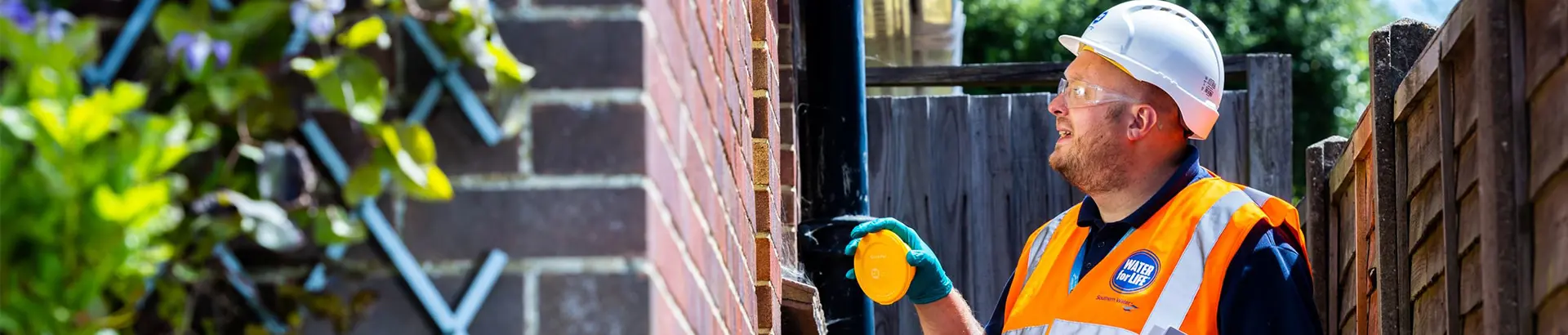
How to prevent blockages
Want to avoid smelly blockages in your home? Follow these simple tips and learn what can and can’t go down the drain.

Kitchen hacks to prevent blockages
Did you know? Over 70% of household blockages start in the kitchen — and most can be prevented. Kitchen blockages happen when fat, oil, grease and food scraps build up inside pipes, stopping water from flowing. They can cause flooding inside and outside your home, bad smells and even lead to pollution in nearby rivers and seas.
Small changes make a big difference: collect leftover fat, oil and grease in a container, and put coffee grounds in the bin, not the sink. A few simple steps help keep your drains clear and avoid costly blockages, protecting your home and the environment. Watch our short video to see the most common culprits behind blockages and how to stop them in their tracks.

Bin for the win! Easy ways to avoid blockages.
We’ve put together these simple hints and tips to prevent smelly blockages and flooding in your home or community.
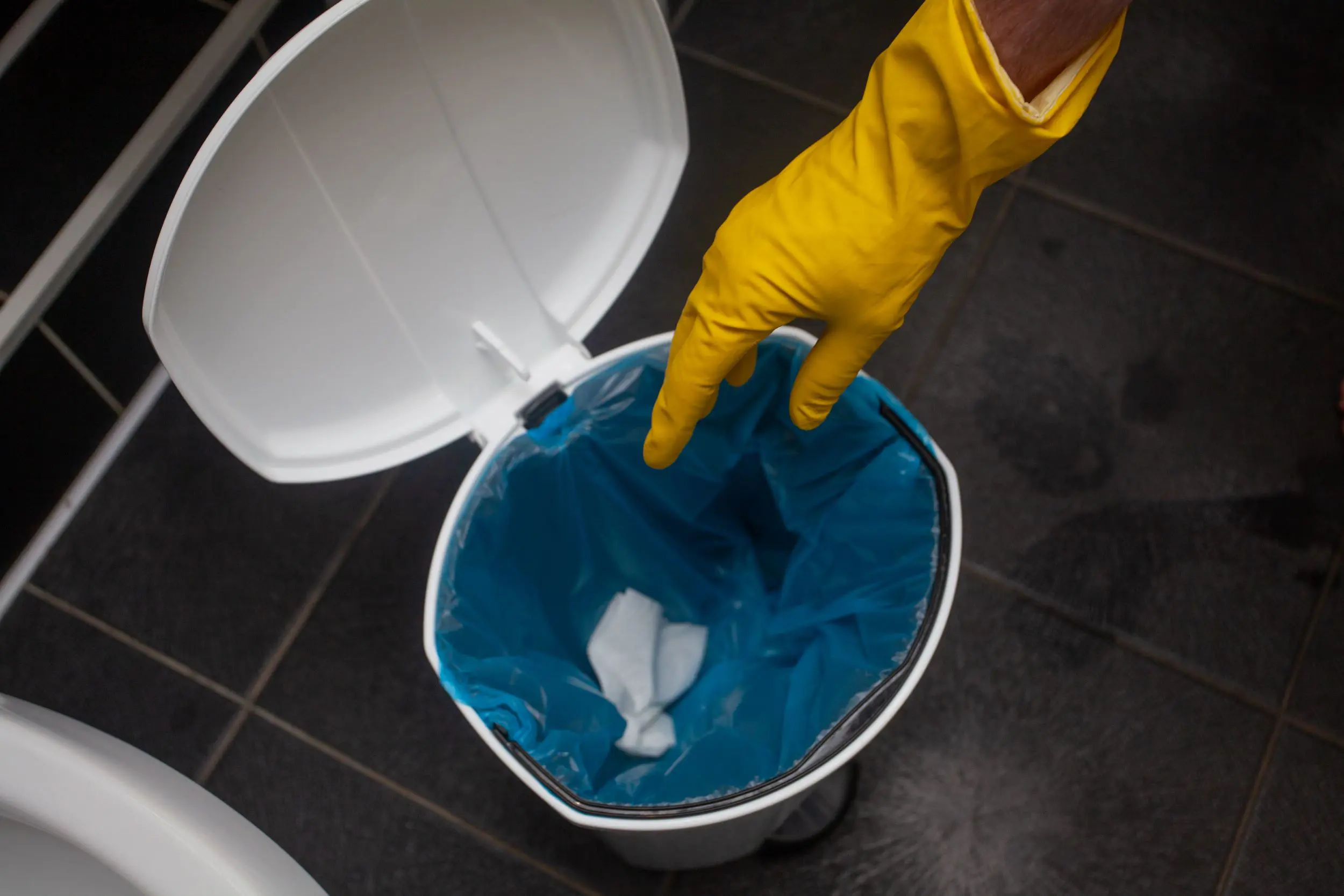
Wet wipes block pipes
45% of blockages are caused by period products and wet wipes, even flushable ones. We can all make a difference by only flushing the three P’s — pee, poo and paper — down the loo. Everything else goes in the bin.

Bin that fat
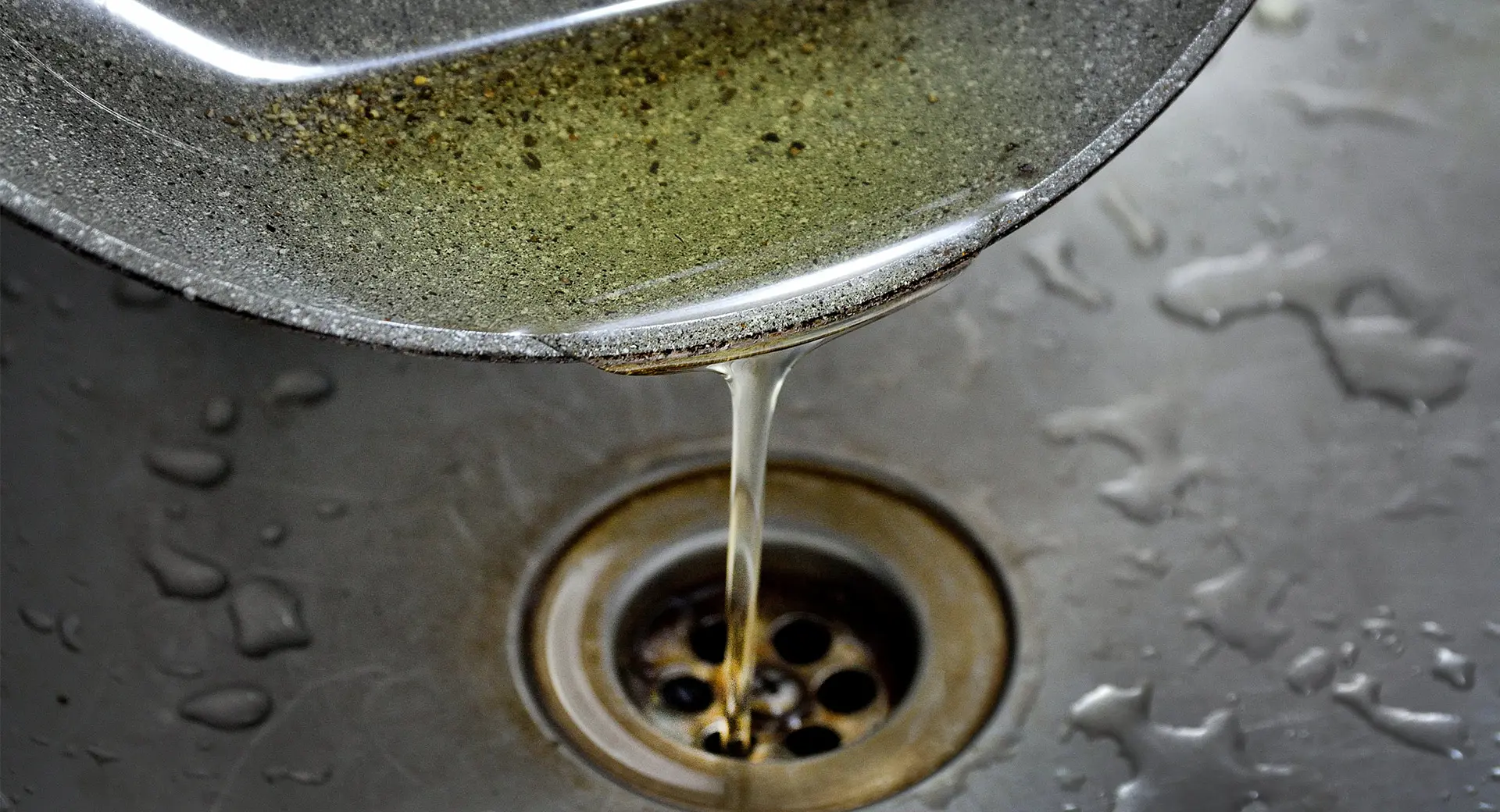
Don't pour it down your sink — let it cool and scrape it into a bin. Fat, oil and grease sticks to pipes, causing costly blockages. You can also use a tub, jar or box to collect it when warm to take it to your local recycling centre once cooled.

Clear your plates
Scrape any leftover food from plates, pans, air fryers or cooking utensils into the bin or your food waste bin, not the kitchen sink. For liquid, like yogurt or gravy, you could use kitchen roll to soak it up.

Wipe before washing
Wipe off any excess fat, oil and grease with kitchen roll before washing your plates, pots and pans. Even with washing up liquid and boiling water, it turns solid in your pipes and creates blockages.
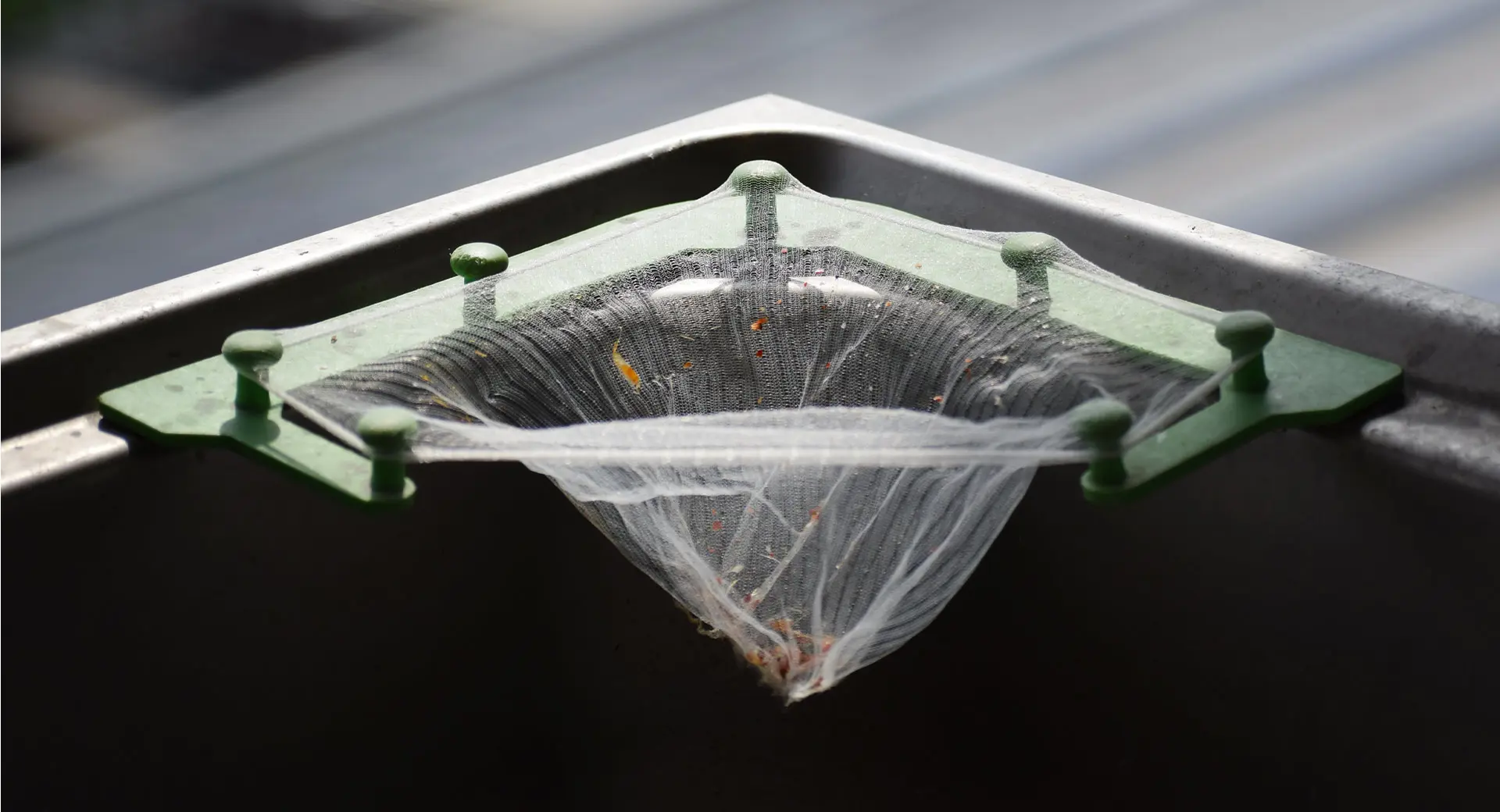
Strain it
Use a sink strainer or drain protector to stop hair from blocking your bathroom drain. Then, pop it in the bin, not down the bathroom sink. Do the same in your kitchen for coffee grounds and fruit and vegetable peelings — or why not use them as compost?

Say goodbye to quilted loo roll
Quilted toilet paper is a real problem and can easily cause blockages. Opt for a non-quilted loo roll to prevent the risk of flooding in your home and to protect the environment.
True or false
Washing up liquid and hot water breaks down fat and oil
False
When fat and oil mix with washing up liquid, a chemical reaction happens between the washing up liquid and calcium in the water. This is called 'saponification. This causes the fat and oil to solidify into a soap-like substance when it cools. It binds together everything else in the sewer and overtime, causes blockages.

There's no such thing as flushable wet wipes
True
From May 2027, the sale of single-use wet wipes containing plastic will be banned in the UK. Even plastic-free flushable wipes — that are not banned — shouldn’t go down the toilet. They’re made from thick tissue that takes a long time to break up and often blocks pipes. Prevent smelly blockages by using reusable products — they’re cheaper and much better for the environment, as less waste ends up in landfill.
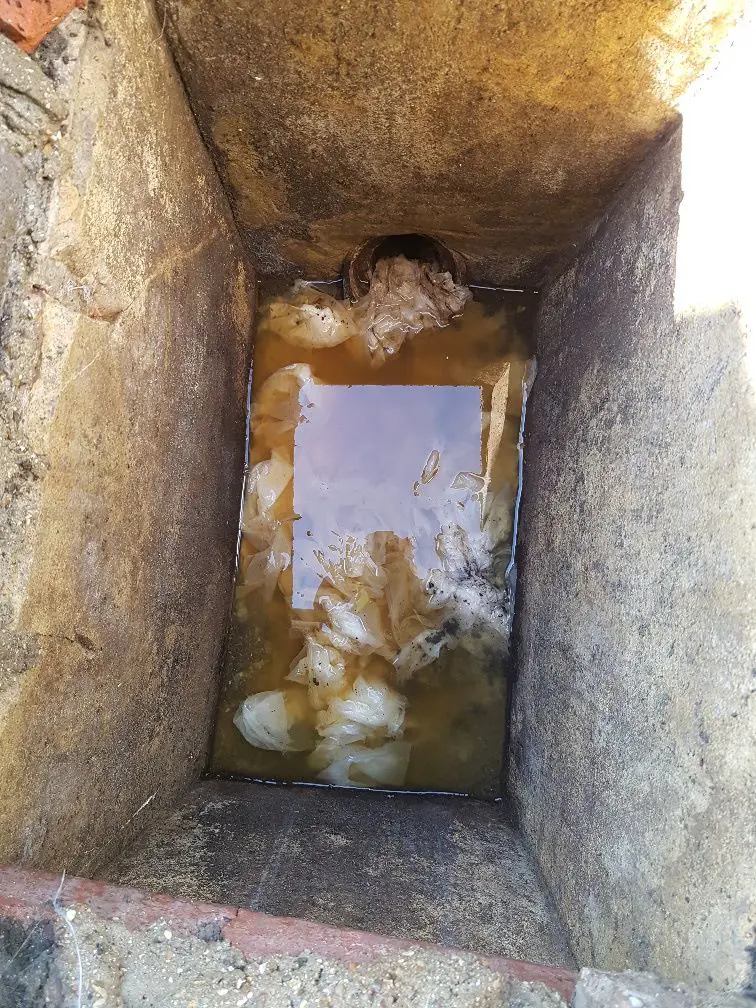
Putting fat and oil down the drain keeps it out of landfill
False
A recent survey found that some customers believe pouring fat and oil down the drain helps keep it out of landfill. But whether it goes through your bin or our sewers — causing messy blockages along the way — it all ends up in the same place. Why not scrape it into your food bin once cooled, so it gets recycled?
Coffee grounds should go down the sink
False
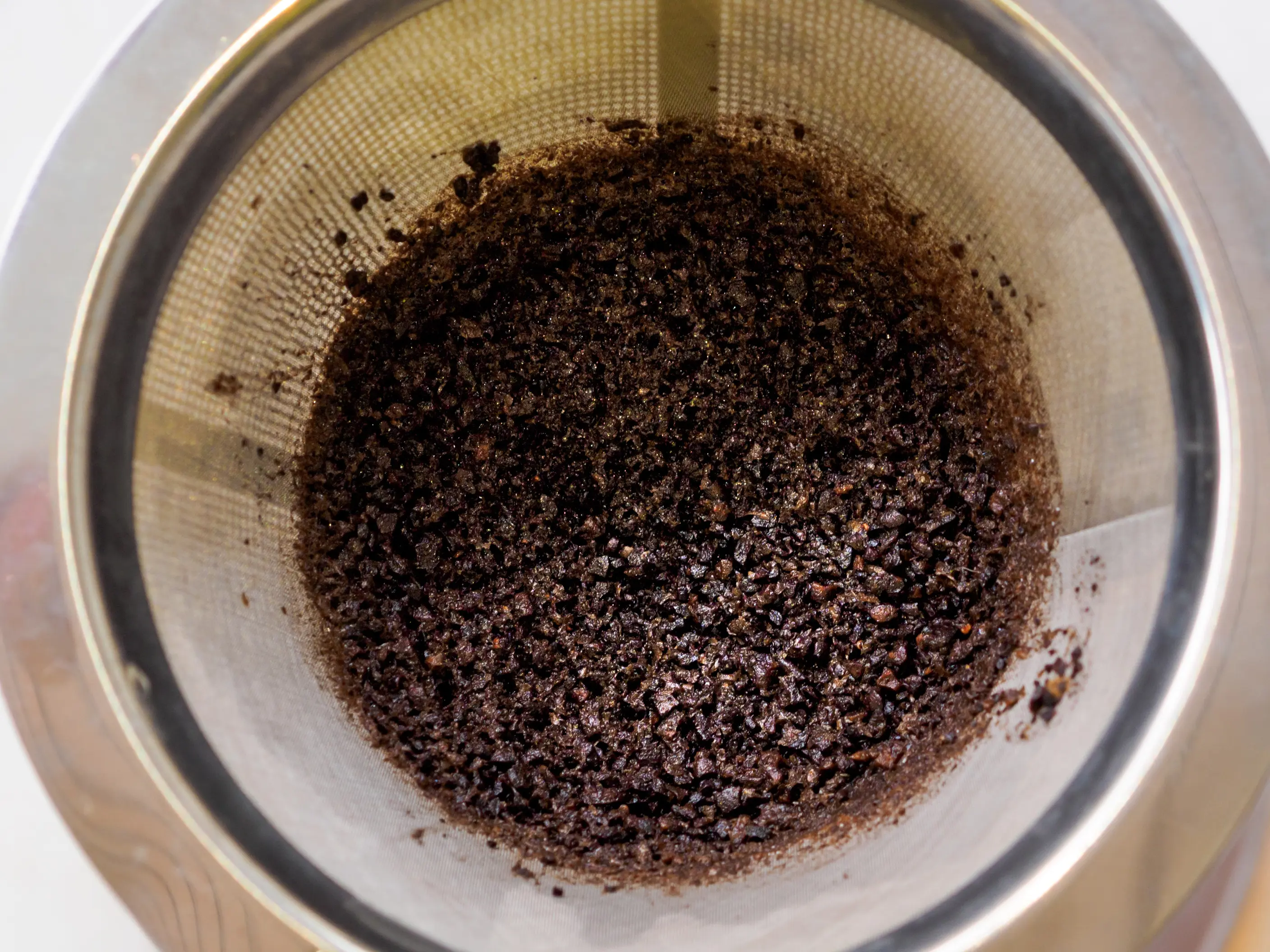
It's easy to forget to scrape coffee grounds into the bin, especially before your first coffee of the day. Unlike most foods, coffee grounds clump together in water rather than breaking down. This causes blockages in pipes and sewers, especially when fat, oil and grease cause them to stick onto other objects.
Did you know?
Blockages can turn into huge ‘fatbergs’ that flood homes and businesses, damage pipes, and even cause pollution in local streams and bathing waters. It's a serious problem, just look at the stats.
Did you know?
Blockages can turn into huge ‘fatbergs’ that flood homes and businesses, damage pipes, and even cause pollution in local streams and bathing waters. It's a serious problem, just look at the stats.
20,000 blockages
every year could have easily been prevented.
4.5 million
period products make their way into sewers every day.
3,000 homes
are flooded in the UK each year because of blockages.
57% of our customers
think it's ok to flush tissues down the toilet.
70% of blockages
can be prevented by watching what we flush.
£90 million
is spent on clearing blockages every year by UK water companies.
Our blockbusting team in action
We have a dedicated blockbusting team who work around the clock to proactively find and clear blockages and help you understand what you should and shouldn't put down your loo.
They’ve spoken to thousands of you at local events, schools and even at your doorstep. Over the last ten years, they’ve surveyed over 27,000 manholes and found over 1,000 blockages, proactively clearing nearly 700 themselves. Their hard work has prevented over 200 flooding incidents in homes and communities.
They work alongside our contractors who respond to drainage problems across the region, clearing over 20,000 blockages in 2025 alone.

You may also be interested in...


Did you find the information you are looking for?

