


Southern Water turns to AI sewers and nature to cut storm overflows in Whitstable
We're ramping up efforts to cut storm overflows in Whitstable by rolling out smart artificial intelligence technology, along with major upgrades at Swalecliffe Wastewater Treatment Works and new nature‑based solutions across the town.

Reducing storm overflows in Whitstable
A pioneering “smart sewer” system is already transforming how the network operates during heavy rainfall. Using real‑time artificial intelligence, the system actively manages flows through the sewers as rain increases, helping to prevent overflows before they happen and reducing pressure on the network.
Since being switched on, the technology has been operating around the clock and is expected to cut storm overflows at the Tankerton Circus and Diamond Road sites by more than 30 per cent.
Last year work delivered an average spills‑saved rate of 32% across the three CSOs, demonstrating a clear and measurable reduction in predicted spills. This shows that the interventions we’ve put in place are genuinely making a difference.
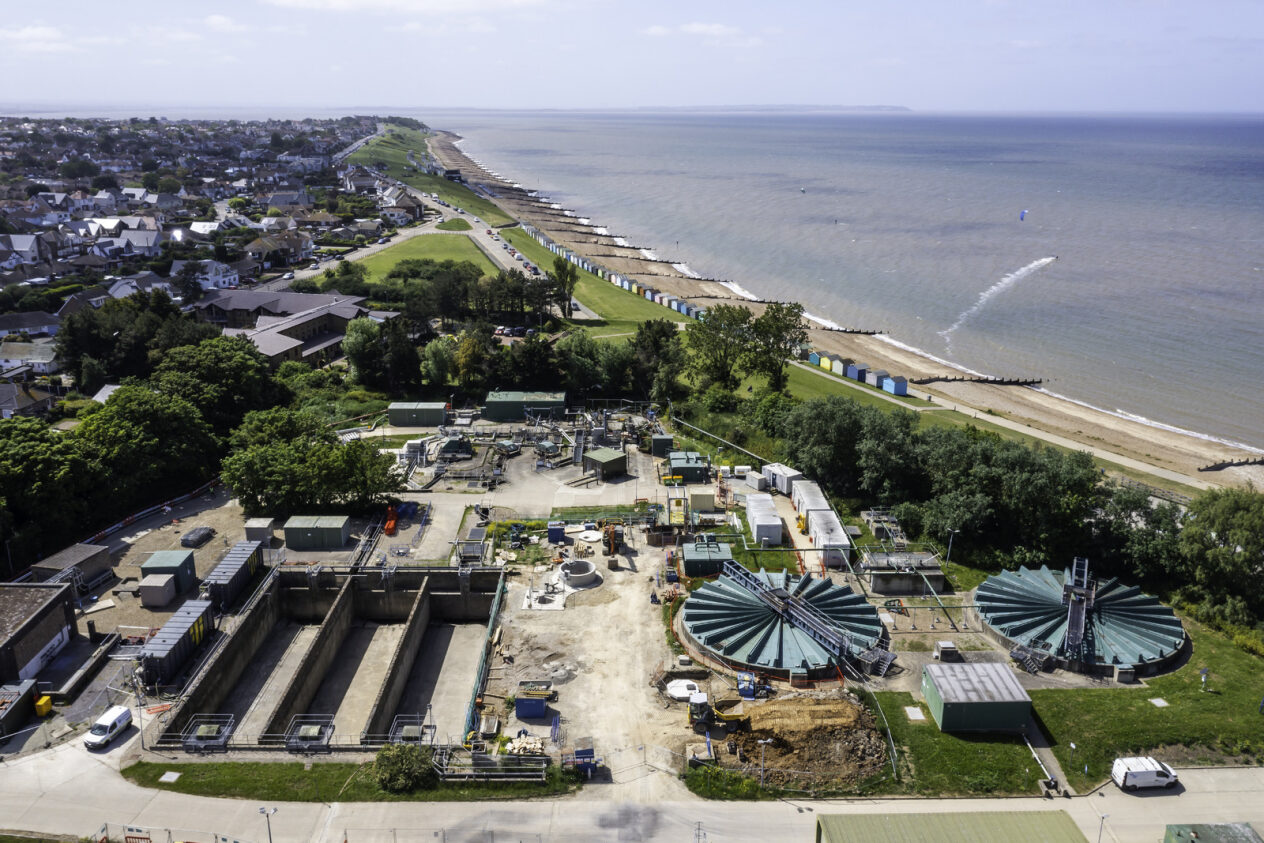
Alongside this, Southern Water is investing more than £90 million at Swalecliffe Wastewater Treatment Works to modernise and upgrade the capacity of the site to reduce storm overflows. Work completed so far includes the replacement of the storm outfall pipe , with the next phase focused on replacing the inlet screens at the works.
In the wider Kent area, Southern Water are investing more than £300m over the next five years to reduce storm overflows as part of its wider £1.5bn Clean Rivers and Seas Plan.
Pathfinder Project Manager for Southern Water, Jerome Corcoran, said:
“Whitstable is a priority for us, and this programme shows the scale of action we’re taking. We’re combining major investment with some of the most advanced technology available to deliver lasting improvements.
“By using artificial intelligence to actively manage our sewers, upgrading our treatment works and working with nature to slow the flow of rainwater, we’re tackling storm overflows from every angle. It’s a long‑term approach, but it’s already delivering results and it will continue to make a real difference for local bathing waters over the years ahead.”
Further upgrades have included reconfiguring parts of the treatment works - changes that have already contributed to a reduction in overflows at Tankerton Beach.
Across Whitstable, teams are also working to tackle storm overflows at source. Engineers are surveying pumping stations and sewers, sealing parts of the network and delivering projects designed to slow rainwater entering the system using nature‑based solutions.