

Time to Wipe Out a Blockage Pollution
Matt Collins, FOG & Unflushables Manager at Southern Water talks about the wet wipe ban coming into force next year May 2027
From spring 2027, it will be illegal to sell wet wipes containing plastic. This is a really positive step, and one many of us in the industry have been hoping for. But from what my team and I see day to day, it doesn’t go far enough to reflect the scale of the problem.
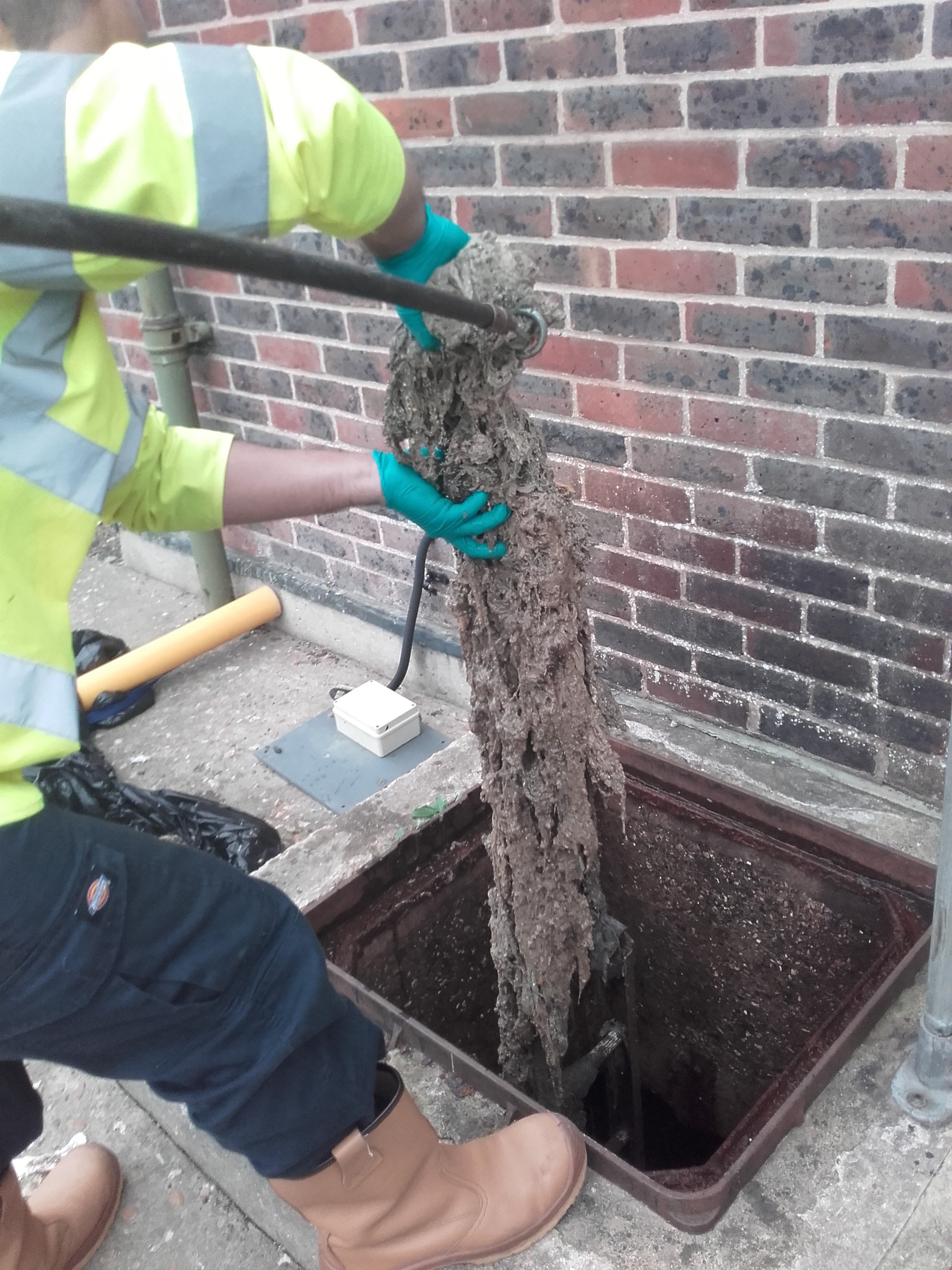
Wet wipes have become one of the biggest causes of sewer blockages. Between 2020 and 2025, they were the cause of 59% of the blockages we cleared at Southern Water - that’s more than 91,000 incidents! We deal with around 30,000 blockages every year, and a lot of these could be avoided if wipes and other non-flushables were put in the bin instead.
Unlike toilet paper, wet wipes, even those labelled “flushable”, don’t break down quickly enough. Instead, they snag in pipes and combine with fats and debris to form fatbergs that block sewers and overwhelm the system. The consequences can be severe: flooding in homes and businesses, significant clean-up costs, and lasting environmental damage. Across the industry, dealing with these blockages costs an estimated £200 million every year.
But the damage doesn’t stop underground. Wet wipes are also a major source of visible pollution, with surveys finding an average of 20 wipes per 100 metres of UK coastline.
Removing plastic from wipes will help reduce microplastic pollution, but changing materials alone will not solve the problem. The term “flushable” is deeply misleading. In industry terms it often means “it disappears from sight when flushed” – but they don’t disappear. To reach larger sewers, they must first pass through narrow 10cm diameter household pipes and slow-flowing systems where they fail to break down, leading to blockages and damage.
For the past ten years of my career, I’ve worked directly with customers in blockage hotspot areas and cleared many preventable sewer blockages. I’ve seen the damage wipes cause up close, and the consequences are far more devastating than most people realise.
One case that sticks in my mind, was when a blocked sewer caused raw sewage to flood a home, destroying furniture, electricals and irreplaceable family belongings. This was not a freak incident; it was caused by flushed wipes.
With the ban approaching, its vital people don’t assume the issue is solved. Whether plastic-free or labelled flushable, all wipes are a major contributor to blockages when flushed. Only flush the three Ps—pee, paper and poo. Simple habits like using the bin can make a significant difference.
Putting wipes in the bin is a small action that protects homes, reduces costs and safeguards our environment.
Matt Collins, FOG & Unflushables Manager at Southern Water