


Water butts
Installing a water butt in your garden lets you water your garden for free. Each water butt can hold up to 200 litres of water for you to use on your plants.


Help and resources
Useful Commercial links
Useful Region Links


Useful Commercial links


Acting as release valves when the system becomes overloaded with rain or groundwater, storm overflows stop wastewater flooding back up into people’s homes and businesses.

Storm overflows are part of the design of the sewers and are regulated by the Environment Agency. They're used in areas where combined sewers were built to carry both wastewater and rainwater.
Storm overflows release excess water during periods of rain through outfalls into rivers and the sea. This is to prevent the sewer system from becoming overwhelmed, which can lead to flooding and excess water backing up into homes and businesses.
These storm water overflow releases are typically heavily diluted with rainwater. In most cases, they are consented releases, permitted by the Environment Agency.
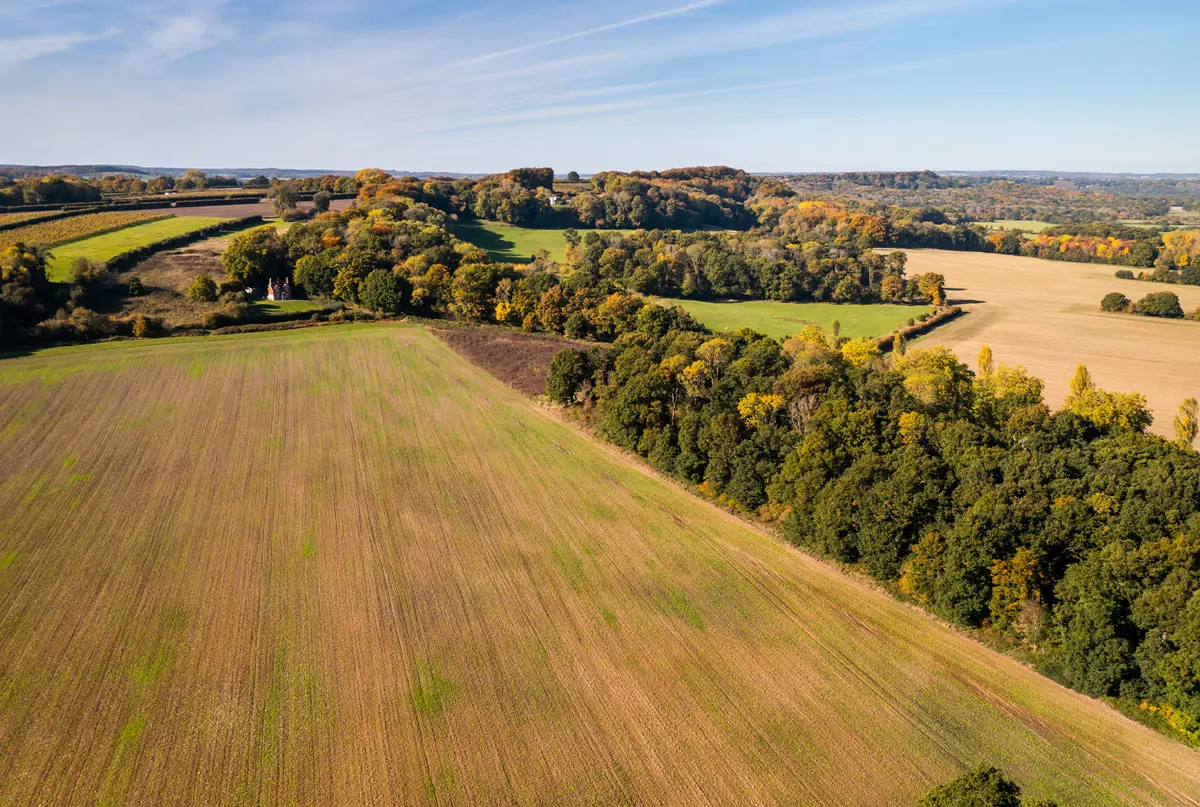
Groundwater is the water found underground in the cracks and spaces in soil, sand and rock. Groundwater infiltration is when water from the ground squeezes its way into the system through underground public or private pipework. If the system is filled with groundwater then there is less space for rain and wastewater, so the sewer system is more likely to become overwhelmed when it rains. This can result in storm overflow releases.
The Environment Agency requires all wastewater companies to submit plans for managing groundwater infiltration in certain areas. We're transparent about the steps we're taking to reduce it and regularly publish our approved Infiltration Reduction Plans (IRPs).
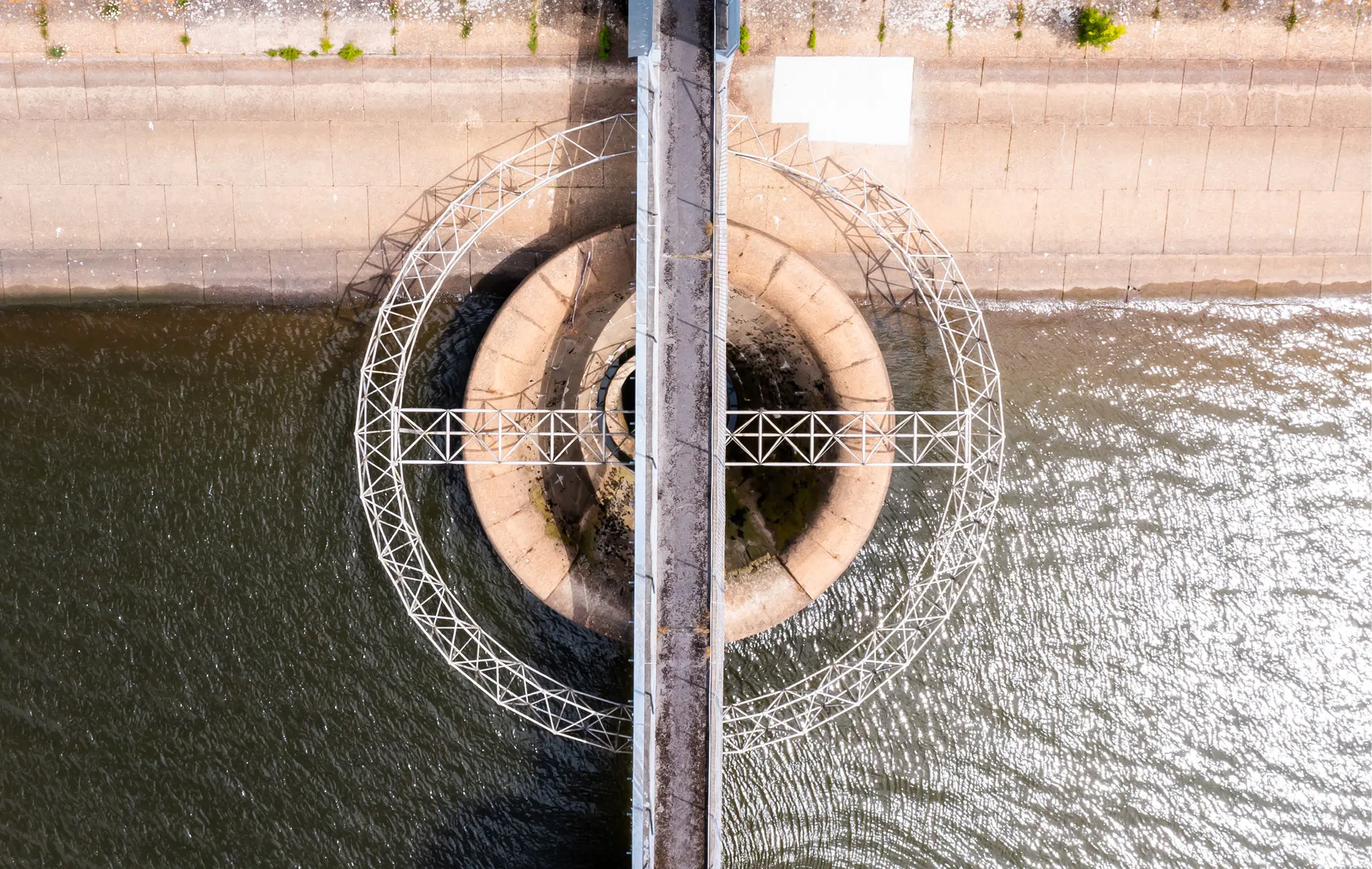
There's a legal right to connect to the sewerage system, but no stipulations to say you must connect correctly.
Illegal connections are when wastewater and rainwater coming from a property are connected to the wrong type of sewer.
These misconnections in private pipework can increase the amount of surface water entering the network which can contribute to it becoming overwhelmed.
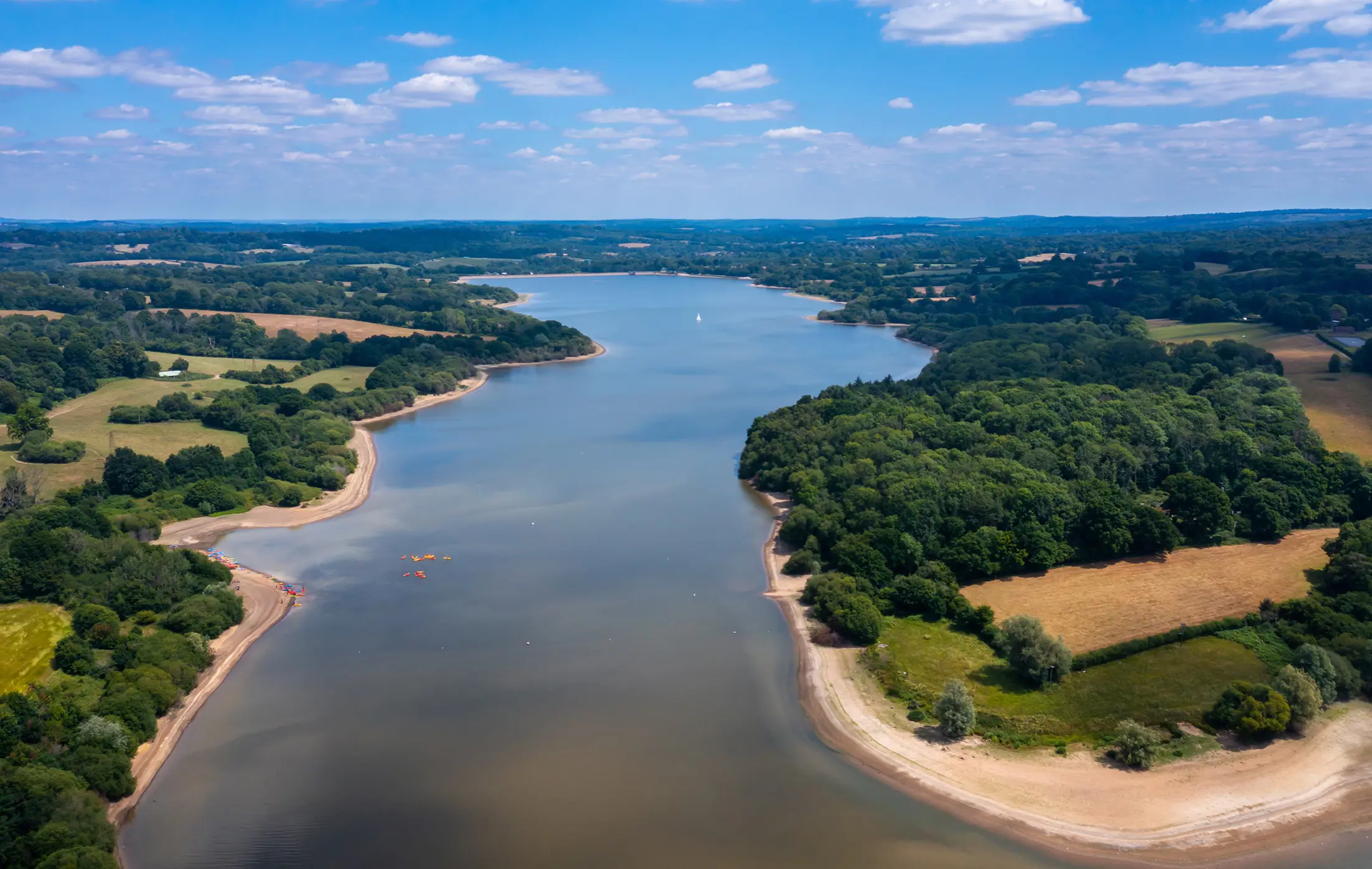
Things like the size of the area and the complexity of its drainage and sewer systems can affect drainage time. Some areas can take days to fully drain after rainfall.
The more distance between where the water enters the system and where it exists into rivers and seas, the longer it takes to travel through the network. This can be days after the rain has stopped, especially in the case of groundwater which takes several days to rise to the surface.
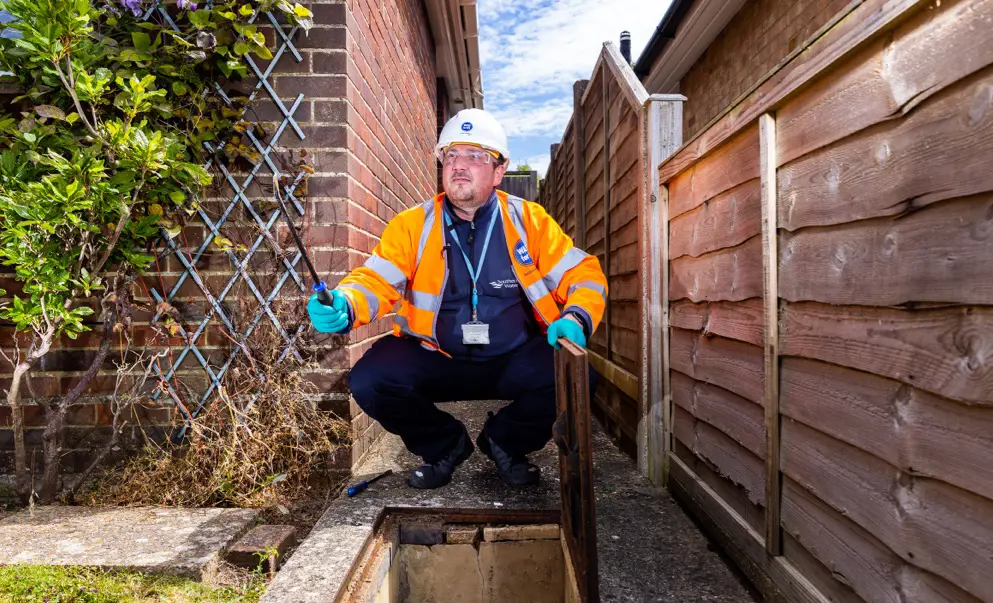
An equipment malfunction, site or network issue such as a blockage caused by wet wipes could result in a dry spill.
Blockages of non-flushable items can cause many issues. They can reduce the capacity of the sewer network, leading to a build up of surface water or flooding from the network.
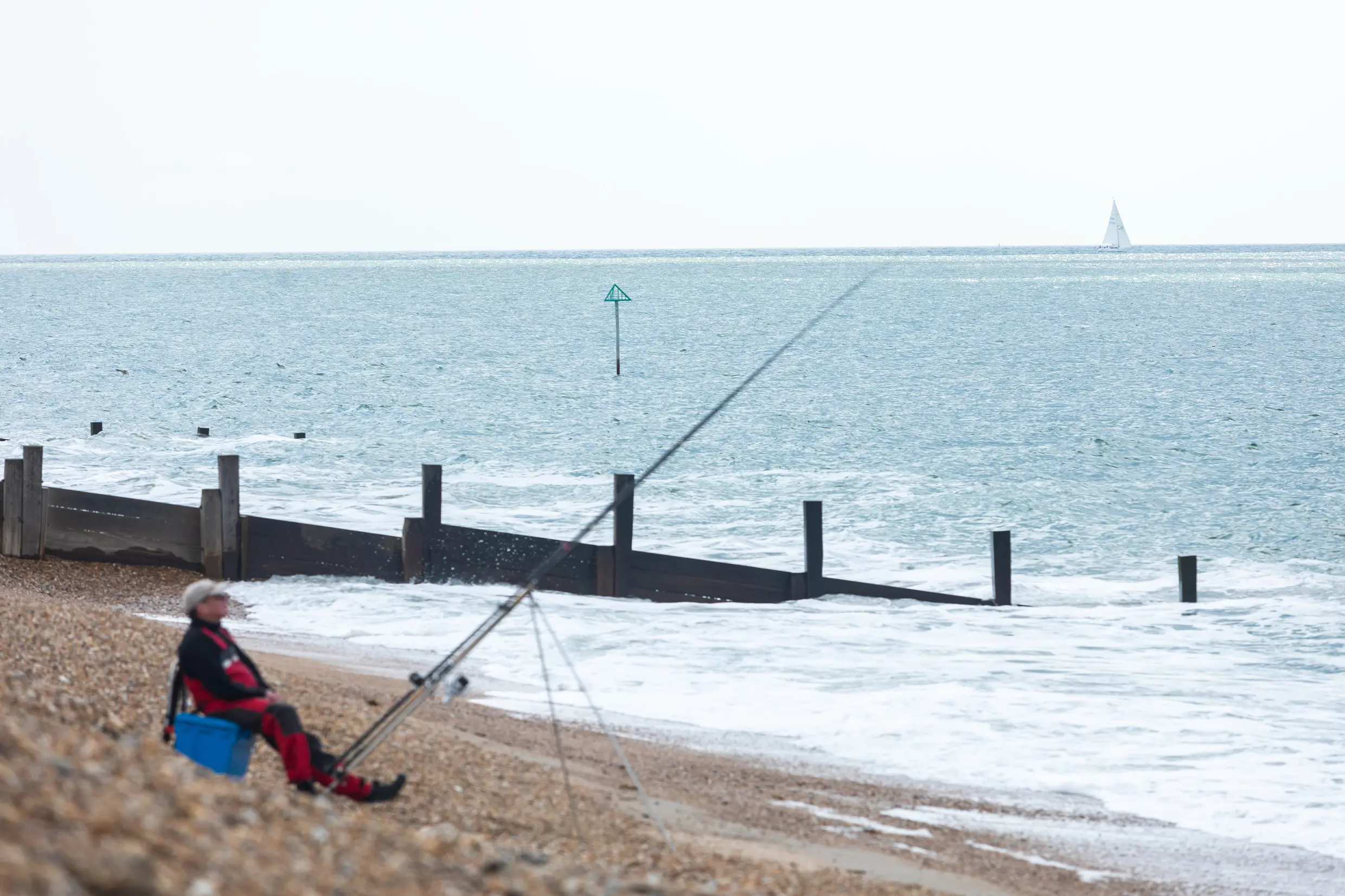
We're fully transparent about dry spills and every release is reported to the Environment Agency.
The Clean Rivers and Seas Task Force is working to tackle and minimise the risk factors.
We've also secured £35 million in funding to undertake multiple projects including improvements to our sites and networks. New digital sewer level monitors are also helping us identify problems before they become an issue. These improvements mean that, in future, we aim to put an end to dry spills.
With projects under way across the region, we’re already reducing storm overflow releases in some areas by as much as 70%.
Some of the ways we're slowing the flow of rainwater entering the system can be found below.
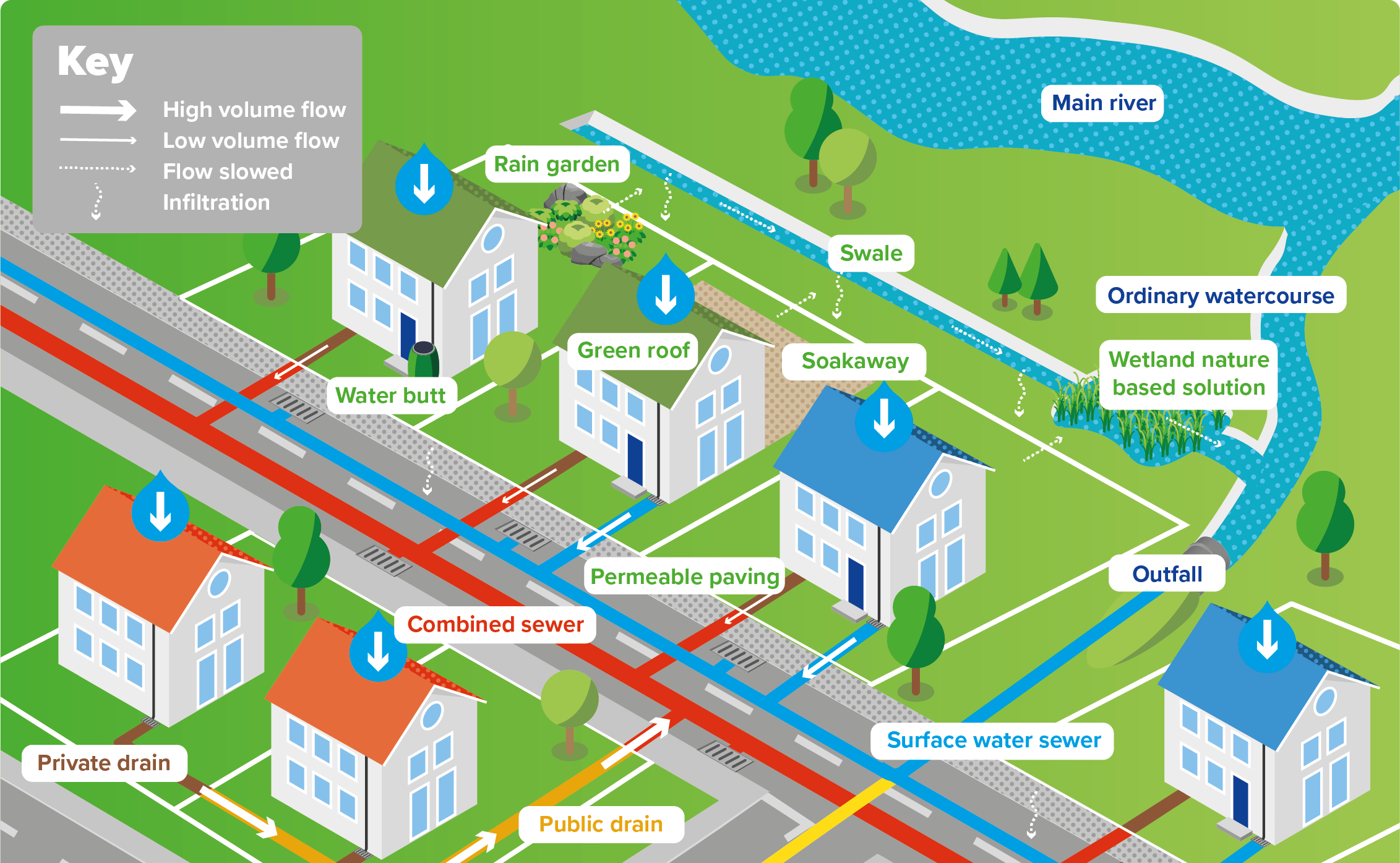

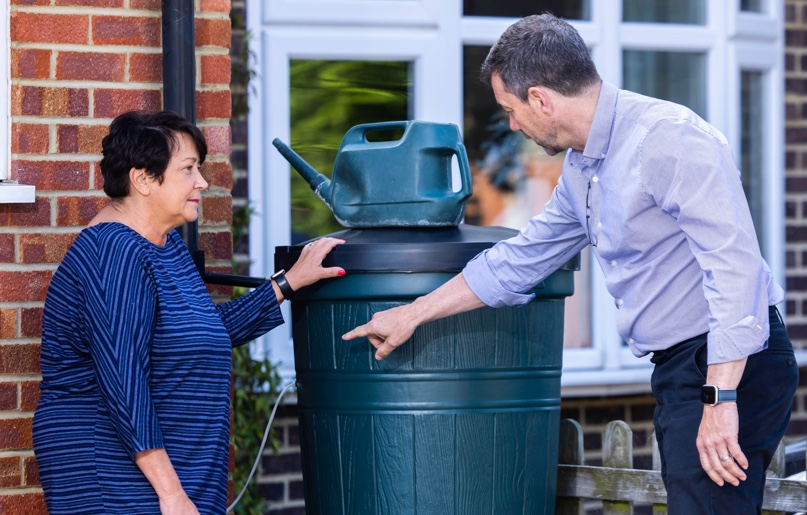
Installing a water butt in your garden lets you water your garden for free. Each water butt can hold up to 200 litres of water for you to use on your plants.
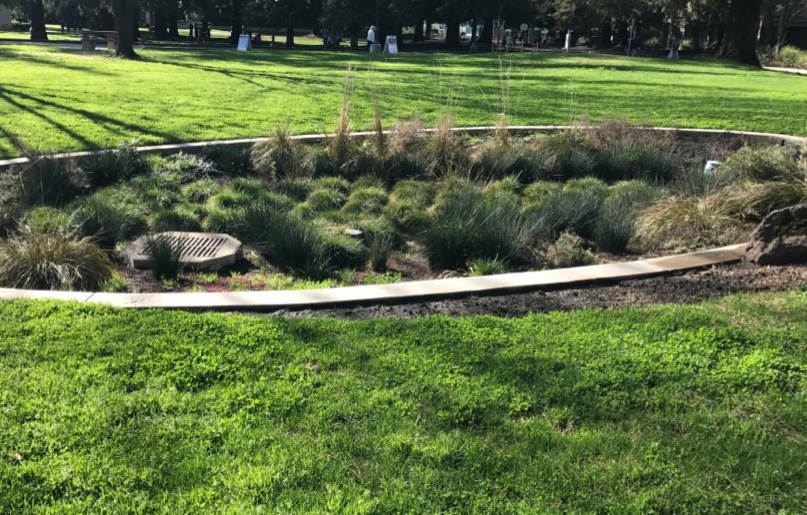
You can create rain gardens using shallow dips in the ground, with plants that can withstand lots of water. When it rains, the run-off collects in the garden before draining.

Swales are shallow sloped channels in the ground where run-off can collect before soaking into the ground.
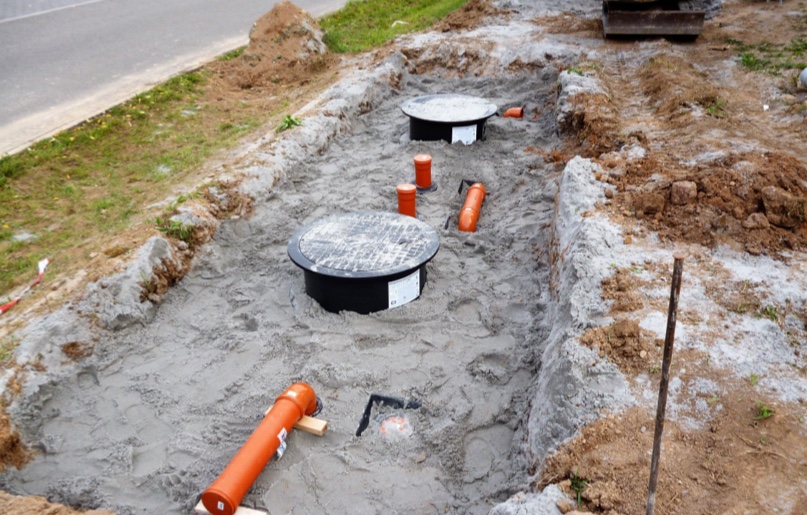
A soakaway is a pit filled with rubble or other hard material. These can be installed close to properties to collect excess surface water run-off, allowing it to slowly soak into the ground.

A green roof is a roof that is either partially or completely covered with plants such as moss. These can help to reduce the amount of surface water run-off.

Permeable paving is a type of paving (often created with gaps or a porous material) that allows rainwater to drain more easily from paved areas.
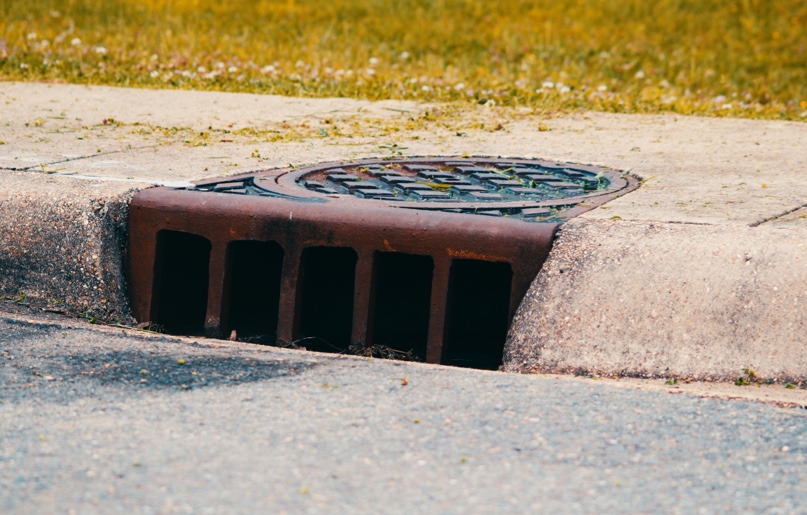
A combined sewer is one that carries both foul and surface water.
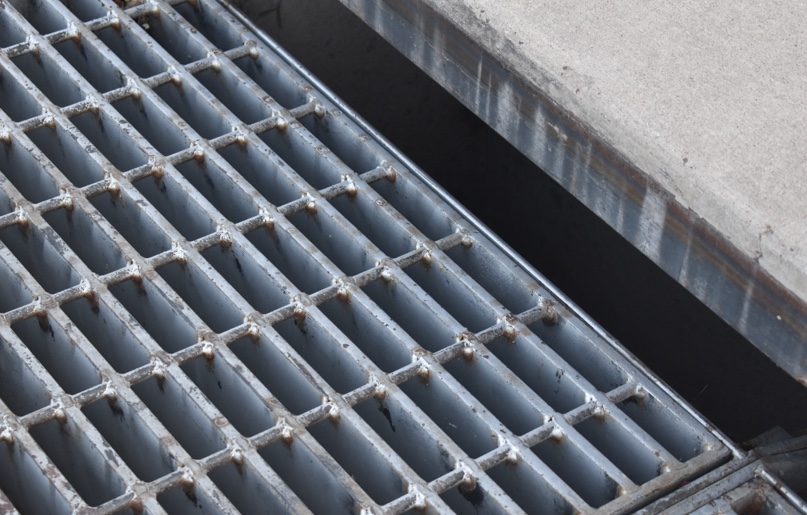
A surface water sewer only carries run-off from roofs and paved areas.
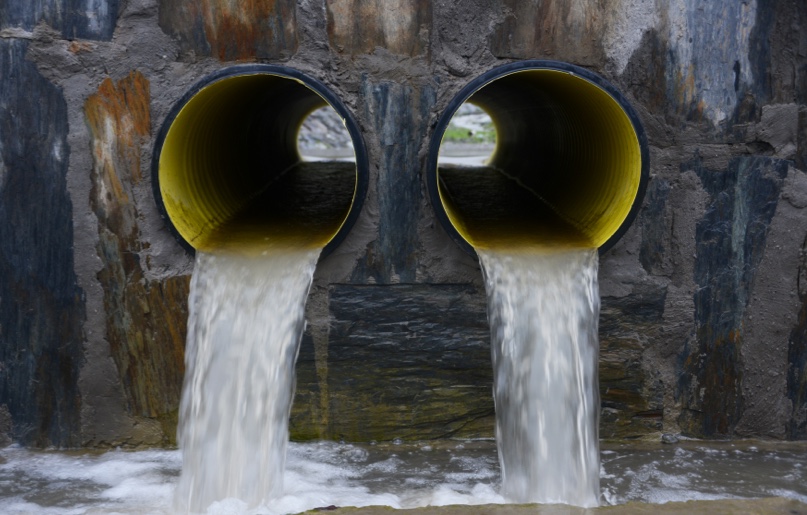
An outfall is a place where water is discharged into a drainage channel or watercourse such as a river or the sea.
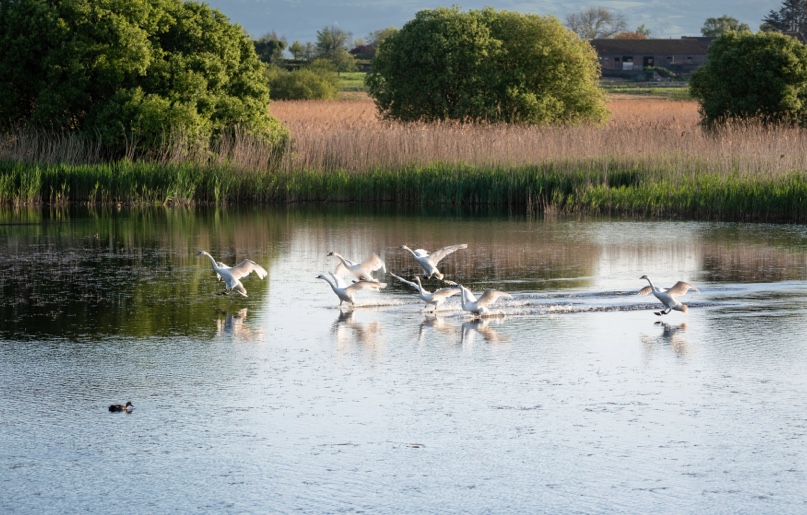
Natural wetland areas can collect run-off and protect communities from flooding.
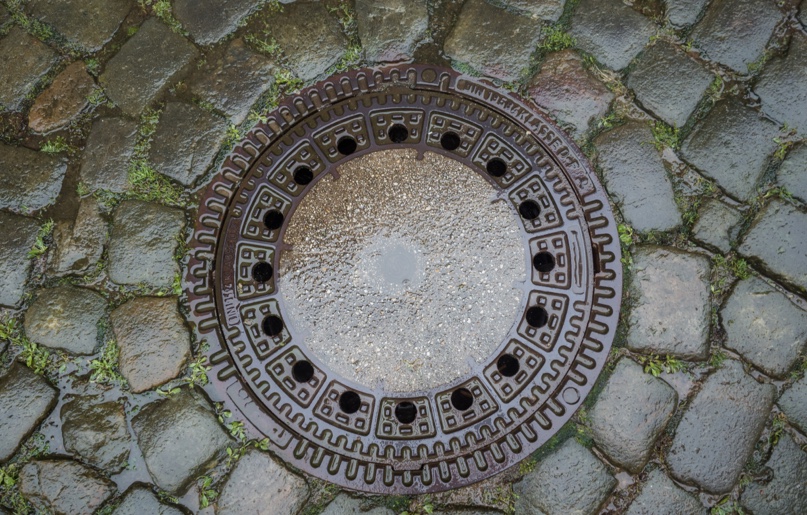
An ordinary watercourse is any watercourse other than a main river, such as streams, ditches and drains.
Installing a water butt in your garden lets you water your garden for free. Each water butt can hold up to 200 litres of water for you to use on your plants.
You can create rain gardens using shallow dips in the ground, with plants that can withstand lots of water. When it rains, the run-off collects in the garden before draining.
Swales are shallow sloped channels in the ground where run-off can collect before soaking into the ground.
A soakaway is a pit filled with rubble or other hard material. These can be installed close to properties to collect excess surface water run-off, allowing it to slowly soak into the ground.
A green roof is a roof that is either partially or completely covered with plants such as moss. These can help to reduce the amount of surface water run-off.
Permeable paving is a type of paving (often created with gaps or a porous material) that allows rainwater to drain more easily from paved areas.
A combined sewer is one that carries both foul and surface water.
A surface water sewer only carries run-off from roofs and paved areas.
An outfall is a place where water is discharged into a drainage channel or watercourse such as a river or the sea.
Natural wetland areas can collect run-off and protect communities from flooding.
An ordinary watercourse is any watercourse other than a main river, such as streams, ditches and drains.
We have almost 1,000 storm overflows across the region. We’ve built our plans to tackle the remaining storm overflows into our Clean Rivers and Seas Plan, outlining our proposals to invest a record £1.5 billion to reduce storm overflows between 2025–35.
We have sensors and alarms installed on all our storm overflows, so we can monitor activity and identify any issues as quickly as possible.
Our interactive map Rivers and Seas Watch shows near real-time storm overflow activity in our region. Rivers and Seas Watch can tell you if a release may affect waters in our region, and you can subscribe to notifications about releases in specific areas.
Our Rivers and Seas Watch release table also records both current and historical storm overflow activity. As well as this, we publish our flows and spills data annually.
A storm overflow occurs when the system becomes overwhelmed with excess surface and/or groundwater entering the network. These releases are permitted by the regulator to prevent wastewater backing up into homes, businesses and onto roads. Rivers and Seas Watch provides near-real time storm overflow release information, displaying both inland and coastal overflows across our region.
An emergency overflow is triggered when there has been a technical fault or a blockage in the system.
During heavy or prolonged rainfall, the network would become overwhelmed in several areas – or catchments as we call them. With nowhere for the wastewater to go, it would back up into people's homes and onto roads. This would cause major flooding and pollution for the community.
The Department of Environment, Food and Rural Affairs (Defra) published its Storm Overflows Discharge Reduction Plan in August 2022. This sets the target for the water industry to eliminate storm overflows by 2050 (except for unusually heavy rainfall).
This sets the target for the water industry to prevent storm overflows by 2050 (except for unusually heavy rainfall). We published our Clean Rivers and Seas Plan, with each storm overflow given a regulatory deadline to hit. These are spilt into the following deadlines: 2027, 2030, 2035, 2040, 2045 and 2050, as set by our regulators.
We are on track with our 2027 deadlines, already investing and implementing solutions on over 100 storm overflows.
Although storm overflow releases are heavily diluted, they are one of many factors that can impact water quality. Water quality can also be impacted by:
The impact of a storm overflow release can vary based on several factors including the location and duration of the release, and even the tides and weather at the time.
Our release permits are designed to consider these factors, and we let local authorities know when there is a release.
Although storm overflows can have an impact on water quality, there are many other contributing factors including agricultural run-off, seabird and animal matter and marine activity.
Because of these other factors, Southern Water can’t advise about water quality and whether it’s safe to swim. We can only make predictions about water quality impact caused by storm overflow releases and report them on Beachbuoy. The decision to close a beach is made by the local authority.
We haven’t paid any external dividends to our shareholders since 2017 to make sure we’re investing as much as possible in our network. When we’ve received fines, these have been paid to the Treasury from our shareholders, not from customer’s money.
We understand the burden the rising cost of living is having, and we have a range of support for our customers. These include discounts of up to 45% and increasing the value of our Hardship Fund from £250,000 annually to £1.25 million to help fund appliance and paying back debt.
Since privatisation, £10 billion has been spent to increase the volume of wastewater that is fully treated before being released back into the environment. Continuous investment means over 95% of water released into the environment is now fully treated – compared to 50% pre-privatisation.
This has helped improve the quality of our bathing waters with 89% of bathing water now rated ‘good’ or ‘excellent’ – up from 28% pre-privatisation.
The combined sewer system contains both wastewater from homes and businesses, and rainwater from roofs, gardens and roads.
Release valves at our wastewater treatment works that operate automatically when the network is overwhelmed, sending stormwater to rivers and seas through outfalls to protect homes and businesses from flooding
Pipes that carry stormwater from a storm overflow into rivers and seas
The excess stormwater that is diverted into rivers or the sea.
Our near real-time storm overflow monitoring service designed to help you stay informed about all storm overflow releases across our region, and their potential impact to bathing waters.
An area where we're trialling solutions to slow the flow of rainwater
An independent regulator that monitors our storm overflow activity and provides the permits to allow storm releases under strict conditions.
Solutions such as ponds, tree pits, wetlands, rain gardens. These solutions focus on greening spaces that also benefit the local community and wildlife.
The amount of water that comes out of a storm overflow outfall, also referred to as ‘volumetric data’.